
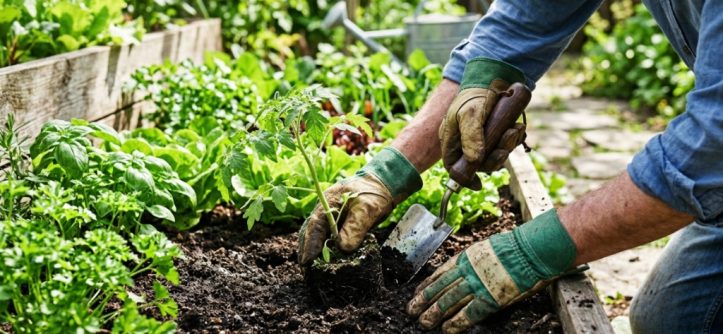
You bend over to plant a delicate lavender seedling, plunge your trowel into the earth, and feel the handle twist. A crack. A snap. The search for a durable garden trowel that can handle rocky soil, heavy clay, and years of consistent use is a real challenge for every gardener.
Most cheap options fail within a single season. The solution lies in understanding material science and design, not just aesthetics. This guide will teach you exactly what to look for to ensure you never buy another trowel again.
What makes a garden trowel truly durable?
A durable garden trowel is defined by three core elements: the material of the blade, the construction method, and the connection between the blade and handle. When these factors align, the trowel becomes a lifetime tool.
Blade material: the stainless steel advantage
Stainless steel is the gold standard for durability. It resists rust, holds a sharp edge, and bends under extreme pressure rather than snapping. High-carbon stainless steel, often used in professional trowels, offers even better edge retention. Avoid painted or coated carbon steel, as the coating chips, leading to rust and rapid decay.
Forged vs. stamped blades
A forged blade is hammered or pressed into shape from a single piece of metal, creating a dense, strong grain structure. A stamped blade is cut from a sheet of metal and is inherently weaker. For long-term durability, always choose a forged stainless steel blade.
The importance of a full tang
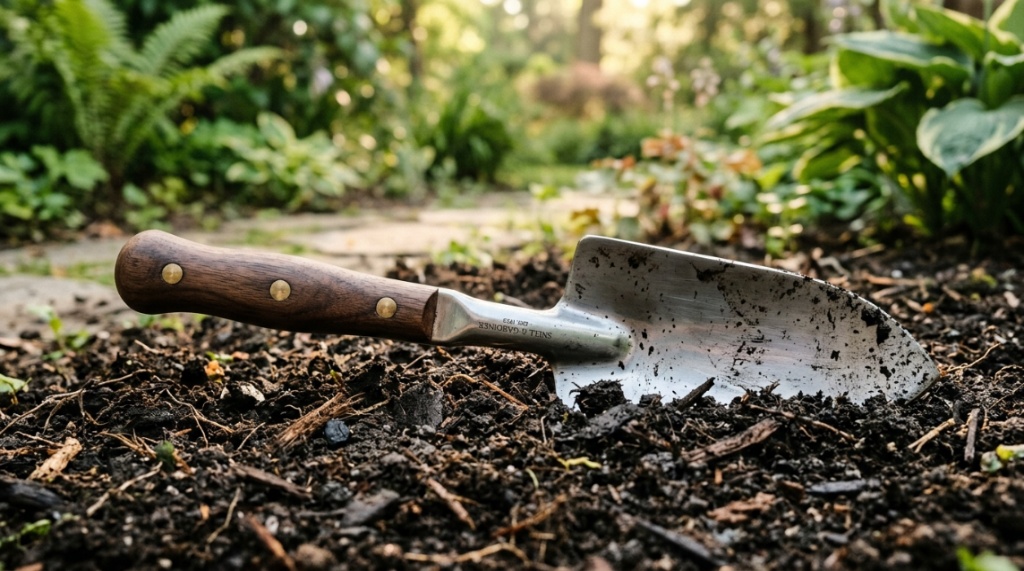
A full tang means the metal of the blade extends all the way through the handle. This prevents the handle from snapping off the blade, which is the most common failure point in cheap trowels. Look for exposed tangs or riveted handles that indicate this construction.
Which type of stainless steel is best for a trowel?
The specific grade of stainless steel directly impacts the tool’s longevity and performance. Not all stainless steel is created equal, and selecting the right grade makes the difference between a tool that lasts decades and one that dulls quickly.
Grade 440 stainless steel
This is a high-carbon stainless steel that is exceptionally hard and holds a sharp edge. It is more difficult to manufacture but offers superior performance in cutting through roots and hard soil. It is rust-resistant, not rust-proof, so a quick wipe after use is recommended.
Grade 304 stainless steel
Also known as 18/8 stainless steel, this grade is highly corrosion-resistant and easier to manufacture. It is softer than 440 steel, meaning it might bend slightly under extreme duress rather than snap. It is an excellent balance of durability and rust protection for most home gardeners.
Avoiding cheap alloys
Some budget trowels use 201 stainless steel or “stainless steel” blends that contain high levels of manganese. These alloys are brittle and prone to rusting quickly. If the manufacturer does not specify the steel grade, assume it is a lower quality alloy.
How does handle design affect long-term durability?
Even the strongest blade is useless if the handle is uncomfortable or fails. The handle is where the gardener interacts with the tool, and its design dictates both comfort and the structural integrity of the trowel.
Ergonomic handles reduce stress
An ergonomic handle with a soft, padded grip reduces hand fatigue and prevents blisters. This does not directly make the trowel last longer, but it prevents the user from buying a new one out of frustration. A comfortable tool is a tool that gets used.
One-piece construction vs. separate handles
Trowels with a one-piece construction, where the handle is cast directly onto the tang, are highly durable. The rubber or plastic is bonded to the metal, leaving no gaps for dirt or moisture to enter. Separate handles that are screwed or glued on are weaker.
Wooden handles: the traditional choice
High-quality hardwood handles, such as ash or hickory, are incredibly durable and repairable. They require occasional oiling to prevent drying and cracking, but they offer a classic feel and excellent shock absorption. Ensure the wood is lacquered or sealed for water resistance.
How can I test a trowel for durability before buying?
You can evaluate a trowel’s durability in a store with a few simple tests. This prevents you from taking home a tool that looks good but fails in the field.
The flex test
Hold the blade firmly and try to bend it with your hands. A durable trowel will have minimal flex. If the blade bends easily, it is too thin and will warp under heavy use. A rigid blade indicates a thick, well-forged piece of steel.
The tang twist
Hold the handle in one hand and the blade in the other. Twist in opposite directions. If you feel any movement or hear creaking, the tang is weak or the handle is poorly attached. A solid trowel will show zero movement.
The weight test
A durable trowel should feel substantial in your hand. It does not need to be heavy, but it should not feel flimsy. Compare the weight to other trowels in the same price range. A heavier tool usually indicates a thicker blade and a full tang.
When should you replace an old trowel instead of buying a new one?
Even the best trowel will eventually show signs of wear. Recognizing when a tool has reached the end of its life saves you money and prevents frustration in the garden.
Signs of terminal wear
- Bent blade: A badly warped blade that cannot be straightened affects digging efficiency.
- Worn edge: A rounded edge that no longer cuts through soil or roots requires excessive force.
- Loose handle: If the handle wobbles or spins on the tang, it is unsafe and will likely snap.
- Rust pitting: Deep rust pits on a “stainless steel” trowel indicate a poor-quality alloy that is degrading.
When to repair
A wooden handle can be sanded and re-oiled. A dull edge on a high-carbon steel trowel can be sharpened with a file. A loose rivet can often be tightened with a hammer. Invest in repairing good tools rather than replacing them with junk.
Knowing your limit
If you find yourself constantly fighting against a poorly performing tool, replace it. The time and frustration saved by using a high-quality trowel far outweigh the initial cost. Consider it an investment in your gardening joy.
Can a cheap trowel ever be truly durable?
The short answer is rarely. While “cheap” is subjective, a trowel priced significantly below the market average typically cuts corners in materials and manufacturing. However, value and price are different concepts.
The price floor for durability
Generally, a durable trowel will cost between $15 and $40. Tools under $10 are almost always made from thin, stamped steel with plastic handles that break. Look for the “sweet spot” around $20 to $30 for a balance of quality and affordability.
What you get for more money
Higher-priced trowels offer thicker steel, precise forging, ergonomic designs, and better warranties. Ray’s Garden Tools and DeWit are examples of brands that stand behind their products. A $40 trowel from these companies is often guaranteed for life.
Hidden gems in the budget category
Occasionally, a budget brand will produce a surprisingly durable trowel. These are often made from a single piece of cast aluminum or have a simple, solid design. However, these are exceptions, not the rule. Always inspect the tool physically before purchasing, especially if looking for a durable garden trowel stainless steel trowel that offers a strong warranty and consistent quality.
How do different blade shapes impact durability and function?
The shape of the blade is not just about aesthetics; it dictates the tool’s strength and the type of work it can handle. Different shapes offer different durability profiles.
Traditional pointed trowels
This classic shape is excellent for transplanting and weeding in loose soil. The pointed tip concentrates force into a small area, which can cause bending if the steel is weak. A durable pointed trowel must have a thick blade at the tip.
Dixter-style trowels
Made famous by gardener Christopher Lloyd, this design features a narrow, slightly curved blade. It is incredibly strong because the curve adds structural rigidity. It excels at digging in heavy clay and rocky soil without bending.
Wide-blade trowels
Designed for scooping and moving soil, wide-blade trowels are less prone to bending due to their broad surface area. However, the edge is longer and can dull faster. A wide blade is ideal for planting bulbs and vegetables in prepared beds.
Which brands are known for making the most durable trowels?
Certain brands have built their reputation on durability, using superior materials and manufacturing processes. These are the names you can trust for a lifetime of use.
DeWit (Netherlands)
DeWit uses boron steel, a high-carbon steel that is exceptionally hard and durable. Their trowels are handcrafted and come with a 10-year warranty. The handles are made from certified FSC ash wood, which is both strong and comfortable.
Ray’s Garden Tools (Canada)
Ray’s is famous for its “Digging Trowel,” which is made from a single piece of thick, heat-treated steel. It is virtually indestructible. The handle is coated with a thick, comfortable rubber grip that is bonded to the metal.
Corona (USA)
Corona offers a solid middle-ground option. Their “True Temper” line features forged stainless steel blades with a lifetime warranty. They are widely available and provide excellent value for the durability offered.
Niwaki (Japan)
Japanese trowels, known as “Kuma” or bear trowels, are forged from high-carbon white steel. They are incredibly sharp and durable but require more care to prevent rust. They are ideal for serious gardeners who maintain their tools.
What maintenance steps make a trowel last years longer?
Proper care transforms a good trowel into a great one that lasts for generations. A few minutes of maintenance after each use prevents the common failures that end a tool’s life prematurely.
Clean after every use
Remove all soil and sap from the blade and handle. Use a stiff brush and water. Do not leave it soaking in water, which can damage handles and promote rust in low-quality steel. Dry it thoroughly with a rag.
Oil the metal
For high-carbon steel trowels, a light coating of boiled linseed oil or camellia oil after each use prevents rust. For stainless steel, a wipe with any light mineral oil keeps the surface protected and clean.
Condition wooden handles
Wooden handles need to be oiled once or twice a year with linseed oil or tung oil. This prevents the wood from drying out, cracking, or absorbing moisture that leads to rot. A well-oiled handle can last for decades.
Store correctly
Never leave your trowel on the ground or in the rain. Store it in a dry shed, garage, or tool rack. Hanging it up keeps the blade off damp surfaces and prevents accidental damage.
Sharpen the edge
Over time, the edge of your trowel will dull. Use a flat file or a diamond sharpening stone to restore the edge. A sharp trowel cuts through roots and soil with less effort, reducing stress on the blade and handle.
Investing in a rugged, rust-resistant trowel means you won’t have to replace your gear every spring. Once you have your foundational hand tools sorted, you can start focusing on larger backyard upgrades—like Adding a Garden Room this Summer to create the ultimate outdoor retreat
Frequently Asked Questions
What is the best metal for a garden trowel?
High-carbon stainless steel, such as grade 440, is the best metal. It offers an excellent balance of hardness, edge retention, and corrosion resistance. Boron steel is another top-tier option used by professional brands like DeWit.
Are wooden handles better than plastic handles for trowels?
Wooden handles are generally better for durability and repairability. High-quality hardwoods like ash are strong and comfortable. Plastic handles are cheaper and lighter but can crack and break under stress. Rubber-coated handles offer the best grip and shock absorption.
How can I fix a loose trowel handle?
If the handle is riveted, you can try tapping the rivets with a hammer to tighten them. If the handle is glued or screwed on, you may need to disassemble it, clean the area, and apply a strong epoxy or replace the screw. A loose handle is a sign of impending failure.
Is a heavier trowel always more durable?
Generally, yes. A heavier trowel indicates thicker metal and a robust tang. However, weight alone is not the only factor. A well-designed, lightweight trowel made from a high-strength alloy, like titanium, can be very durable. Do not confuse weight with quality.
Can I use a garden trowel for digging in rocky soil?
A Dixter-style trowel or a heavy-duty forged trowel with a thick blade can handle rocky soil. A thin, stamped trowel will bend or snap. Test the soil first to avoid damaging your tool.
How often should I sharpen my stainless steel trowel?
Sharpen your trowel at the beginning of each gardening season and as needed during the year. If you notice the blade is struggling to cut through soil or roots, it needs sharpening. Frequent light maintenance is better than heavy sharpening after a long period of neglect.
What is the warranty on a high-quality garden trowel?
High-quality garden trowels often come with a lifetime warranty or a 10-year warranty. Brands like DeWit, Ray’s Garden Tools, and Corona offer such guarantees. Always check the warranty before purchasing, as it is a strong indicator of the manufacturer’s confidence in their product’s durability.



Leave a Reply