

You know the feeling. You walk past someone, and a subtle, captivating scent lingers in the air. It smells expensive, sophisticated, and unique. You want that. But then you check the price tag on a designer bottle and your wallet cries out in protest. The problem is clear: you want to smell like a million bucks without actually spending it. The good news is that finding a signature scent on a budget is not about compromising quality. It is about strategy, knowledge, and knowing where to look.
What Makes a Signature Scent “Signature”?
A signature scent is a fragrance that becomes uniquely associated with you. It is the olfactory bookmark people remember. Unlike a casual spray of whatever is on the counter, a signature scent is intentional and consistent. It reflects your personality, your style, and the vibe you want to project. It is not about smelling like everyone else; it is about smelling like you.
Think of it as a personal brand. When someone catches a whiff of lavender, cedarwood, or a specific citrus blend, their brain should immediately think of you. This does not require a rare, discontinued fragrances from Paris. It simply requires a fragrance that fits you perfectly and that you wear with confidence.
Why Consistency Matters
Wearing the same scent regularly allows you to layer it with your natural body chemistry. Over time, the fragrance settles into a harmony that is uniquely yours. This biological customisation is impossible when you constantly switch between different colognes. Sticking to one main scent for a season or a year is the first step to making it your signature.
Why Do Designer Fragrances Cost So Much?
Before hunting for bargains, it helps to understand the price tag. Designer fragrances are expensive for reasons that have little to do with the juice inside the bottle. You are paying for a famous fashion house label, celebrity endorsements from A-list actors or athletes, extravagant advertising campaigns with glossy magazine ads and TV commercials, and expensive packaging including heavy glass bottles and embossed boxes.
The actual perfume oil concentrate often accounts for only a small fraction of the retail price. The rest is marketing and overhead. This means you can often find a dupe or a lesser-known brand that uses the same high-quality ingredients but sells it for a fraction of the price because they skip the marketing circus. The lesson here is to value the ingredients and the scent profile over the name on the sticker.
How to Identify Your Fragrance Family on a Budget
You cannot choose a signature scent until you know what you like. Blind buying cheap bottles based on cool names is a recipe for disaster. Instead, use a systematic approach that costs almost nothing.
Step 1: Visit a Department Store for Free. Spend 30 minutes at a fragrance counter. Do not buy anything. Just spray testers on paper strips. Smell the four main families: Fresh (citrus, aquatic), Woody (cedar, sandalwood, vetiver), Oriental (vanilla, amber, spice), and Leather/Tobacco.
Step 2: Narrow it Down. Choose two families you like best. For example, “Fresh and Woody” or “Woody and Oriental”.
Step 3: Skin Test. Spray one scent on each wrist. Do not rub. Wear them for the entire day. Notice how they change after one hour, three hours, and six hours. You might love a scent on paper but hate it on your skin due to your unique pH balance.
Step 4: Note Your Preferences. Write down the notes you love (e.g., “I love grapefruit and cedar”). This becomes your shopping list. Now you are ready to find affordable options that match those specific notes.
Which Fragrance Notes Last the Longest on a Budget?
When you are buying affordable cologne, longevity is often the biggest concern. Cheap scents can fade in an hour. To get the most bang for your buck, you need to focus on the base notes. Base notes are the heavy molecules that evaporate slowly and stick to your skin. They are the foundation of the scent.
The most durable budget-friendly notes include:
- Woods: Cedarwood, sandalwood, and vetiver are incredibly tough and can last 6-8 hours even in lower concentrations.
- Amber and Vanilla: These sweet, resinous notes have excellent staying power. Many affordable gourmand scents rely on these to create a long-lasting trail.
- Leather and Tobacco: These are powerhouse notes. A cheap leather scent will often outperform a weak citrus scent from a luxury brand.
- Patchouli: This earthy, spicy note is a classic base that clings to skin and clothes.
Avoid buying cheap colognes that are primarily top notes like lemon, bergamot, or mint. They smell great for 20 minutes and then vanish. Look for scents that list wood, amber, or leather as the main ingredients.
How to Find Affordable Alternatives to High-End Scents
This is the core strategy of smelling expensive on a budget. You do not need to copy a specific $200 cologne exactly. You need to find a cheaper fragrance that shares the same vibe and key notes. This is called finding a “fragrance twin” or a “dupe”.
Actionable Steps:
- Identify your target scent. For example, say you love the smoky, pineapple opening of a certain very expensive designer fragrance.
- Break it down into notes. For that scent, the key notes are pineapple, birch, and amber.
- Search for budget fragrances with those notes. Look for colognes that highlight “pineapple and leather” or “smoky pineapple” in their description. You will be surprised how many affordable brands create similar accords.
- Use discount fragrance websites. Some sites specialize in selling tester bottles or older formulations of designer scents at 50-70% off. This is a legitimate way to get the real thing for less.
- Try clone houses. There are entire brands dedicated to recreating popular designer scents at a fraction of the cost. Brands like Armaf, Lataffa, and Maison Alhambra are famous for this. You can often buy a bottle for $25 that smells 90% identical to a $150 scent.
Can You Trust Cheap Fragrance Brands?
Yes, but with caution. The “cheap” fragrance market is split into two worlds: low-quality synthetic alcohol water and surprisingly good value-for-money artisan or clone brands.
Good Cheap Brands: These use quality aroma chemicals (the synthetic molecules that smell like natural ingredients) and good fixatives to ensure longevity. They skip the fancy bottle and marketing. Examples include Nautica, Aspen, Davidoff Cool Water, and the previously mentioned clone houses. These are excellent starting points for a signature scent.
Bad Cheap Brands: These are usually found in drug stores in flimsy plastic bottles. They smell sharp, synthetic, and disappear in 30 minutes. Avoid anything that looks like a “7-pack of assorted colognes” for $10. Quality control is non-existent.
The Verdict: You can absolutely trust affordable fragrances if you buy from reputable budget-conscious brands and read reviews from other buyers. Look for reviews that mention “longevity” and “projection” to ensure the juice is actually good.
What is the Best Way to Test a Budget Fragrance Before Buying?
Since you cannot always spray a $20 cologne at a department store, you need to get creative. The internet is your best friend.
- Read YouTube Reviews: Search for “budget cologne review” or “best cheap cologne 2024”. Fragrance reviewers do a good job of describing the smell, projection, and longevity. Listen to their opinions, but remember that your skin chemistry is different.
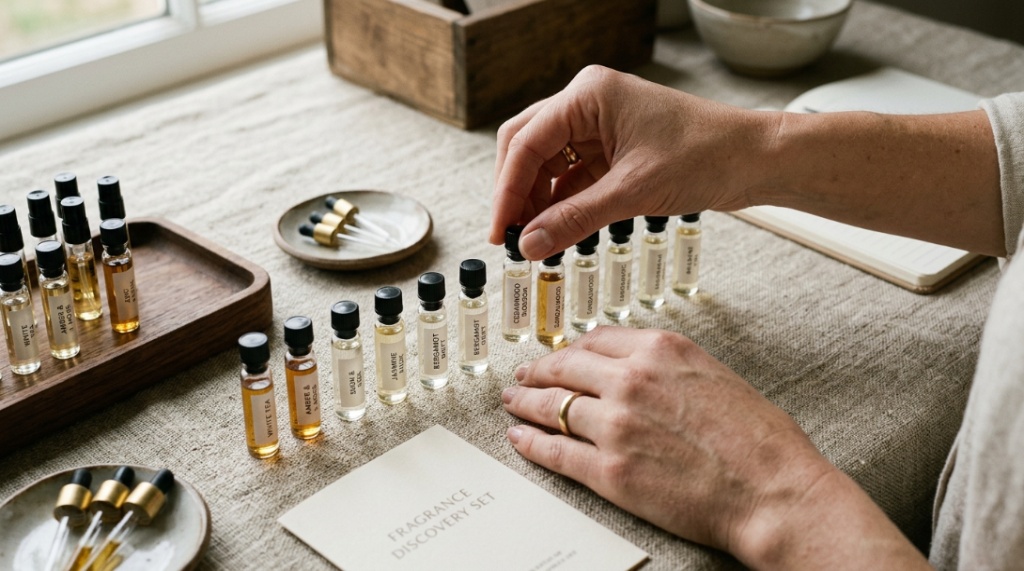
- Buy Decants or Samples: Many online retailers sell 1ml or 2ml sample vials of budget fragrances for very low prices. This is the smartest investment. You can test a dozen different scents on your skin for $15-$20 total. Never blind buy a full bottle of a cheap cologne. You will probably end up hating it and wasting money.
- Check Fragrantica Basenotes: These are online communities where users post detailed reviews and “smell alike” recommendations. You can look up a designer fragrance you like and see what budget alternatives users suggest in the comments.
How to Make Budget Cologne Last All Day
Even the best affordable cologne needs a little help to survive an 8-hour workday. The biggest mistake people make is how they apply it. Do not just spray it on your shirt and walk away.
Pro Tips for Maximum Performance:
- Moisturize: Fragrance sticks to moisture. Apply an unscented lotion or petroleum jelly to your pulse points (wrists, neck, behind ears) before spraying. Dry skin eats fragrance.
- Spray on Clothes: A quick spray on the inside of your collar or on your shirt (not directly on the skin) will make the scent last significantly longer. Synthetic fabrics hold scent much better than skin.
- Layer the Scent: If the brand offers a body wash or deodorant in the same scent, use it. Layering the scent from different products creates a stronger, longer-lasting aura.
- Don’t Rub: Never rub your wrists together. This breaks the molecular bonds of the top notes and makes the scent fade faster. Just spray and let it dry naturally.
- Spray from a Distance: Hold the bottle 6-8 inches from your skin. This distributes the scent more evenly and prevents a single overpowering spot.
This guide will show you exactly how to identify your personal fragrance profile and discover the best affordable men’s cologne that rivals high-end designer juice. You do not need a huge budget, just the right plan.
When to Wear Different Budget Scents
A true signature scent is flexible but not universal. The best approach is to have two or three “signature” scents that you rotate based on the season or occasion. This keeps your brand fresh without breaking the bank.
| Season / Occasion | Best Budget Fragrance Type | Example Notes |
|---|---|---|
| Spring / Summer Day | Fresh, Aquatic, Citrus | Grapefruit, Sea Salt, Lemon, Mint |
| Summer Night / Date | Sweet, Gourmand, Tropical | Coconut, Vanilla, Tonka Bean |
| Fall / Winter Day | Woody, Spicy, Aromatic | Cedar, Cardamom, Sage, Black Pepper |
| Winter Night / Formal | Leather, Tobacco, Oriental | Leather, Tobacco, Amber, Incense |
| Office / Work | Clean, Soapy, Subtle | Musk, Iris, White Musk, Laundry notes |
Having a summer scent and a winter scent is the most cost-effective way to maintain a personal fragrance identity that works year-round. Spending $50 total on two great budget bottles is better than spending $50 on one mediocre designer bottle.
Finding a personal fragrance doesn’t have to break the bank if you know where to look. While learning the basics of fragrance families can help anyone shop smarter, if you are specifically looking for feminine fragrances, you can explore our curated guide to Buy the Right Perfume for Women to find high-quality options that fit your style perfectly.”
Is it Better to Buy a Cheap Full Bottle or an Expensive Sample?
For the budget-conscious beginner, the answer is clear: buy the expensive sample. This seems counterintuitive, but it is the smarter long-term strategy. A 5ml sample of a high-end fragrance costs $5-$10. A full bottle of a cheap, bad fragrance costs $15. The $10 sample teaches you what “good” smells like. It gives you a benchmark.
Once you have identified the scent profile you love from a designer sample, you can confidently search for a budget alternative that mimics it. You are essentially using the expensive sample as a blueprint. If you buy a cheap full bottle blind, and you hate it, you are stuck with 100ml of liquid you will never use. That is a waste of $15. So, invest a few dollars in discovery first. It is the cornerstone of a successful budget fragrance journey.
Frequently Asked Questions
Can I find a good signature scent for under $30?
Absolutely. Many of the best value fragrances from brands like Nautica, Davidoff, and Coty fall under the $30 mark. You can also find excellent clone fragrances in that price range. The key is to focus on classic, mass-appealing scents from established budget brands rather than risky unknown ones.
How many different colognes should a man own?
For a signature scent strategy, aim for two to three. One for warm weather and one for cool weather is the minimum. A third for special occasions or dates is a nice bonus. Owning too many makes it impossible to establish a signature scent because you are always switching.
What is the difference between Eau de Toilette and Eau de Parfum?
Eau de Parfum (EDP) has a higher concentration of perfume oils (15-20%) than Eau de Toilette (EDT) (5-15%). EDP lasts longer and projects more strongly. When buying budget cologne, look for EDP versions if possible, as they give you more longevity for your money.
Will a cheap cologne smell “chemical” or “synthetic”?
Not necessarily. Modern aroma chemicals are incredibly sophisticated. A well-formulated cheap cologne can smell very natural. The bad synthetic smell usually comes from cheap, unbalanced formulas. Reading reviews specifically for “synthetic smell” or “alcohol blast” will help you avoid the bad ones.
How do I know if a budget fragrance is a good “clone”?
Look for reviews that compare it directly to the expensive original. Phrases like “90% similar,” “this is the same as Creed Aventus but for $20,” or “spot on dupe” are good indicators. Watch side-by-side review videos on YouTube to hear the comparison for yourself.
Should I buy a gift set or a single bottle?
For establishing a signature scent, buy a single bottle. Gift sets often include smaller bottles of different scents, which defeats the purpose of consistency. However, a gift set of a single scent that includes a body wash and deodorant is a great value for layering.
What is the best place to store budget cologne?
Store it in a cool, dark place, away from direct sunlight and heat. A dresser drawer is perfect. Avoid the bathroom, as humidity and temperature changes degrade the fragrance compounds quickly. Proper storage ensures your $20 bottle lasts just as long as a $200 bottle.



Leave a Reply