
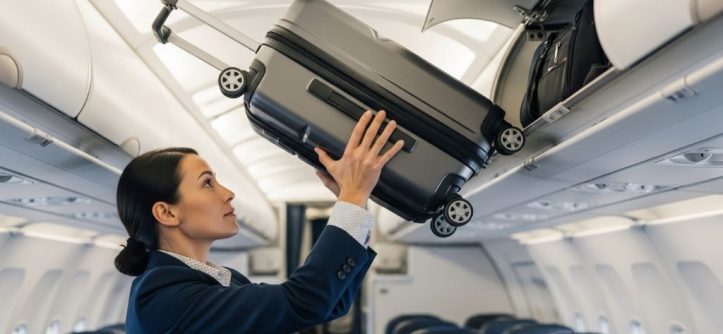
Choosing the right carry-on luggage can make or break your travel experience. Airlines have specific regulations that change periodically, and staying informed helps you avoid unexpected fees or gate-check hassles. This guide walks you through everything you need to know about selecting TSA approved luggage that complies with current airline standards while meeting your travel needs.
Why Carry-On Compliance Matters
Airlines enforce strict baggage rules for good reasons. Overhead bin space is limited, and safety regulations require specific dimensions. When your bag exceeds these limits, you face several problems. First, you might pay hefty gate-check fees. Second, you lose the convenience of keeping belongings close during your flight. Third, you risk delays retrieving your bag at baggage claim.
Moreover, non-compliant luggage slows down boarding processes. Flight attendants must find space or remove oversized bags, which frustrates other passengers. Therefore, understanding current regulations saves time, money, and stress.
Current Airline Size Standards
Most domestic carriers follow similar guidelines, though variations exist. The standard cabin size suitcase typically measures 22 inches tall, 14 inches wide, and 9 inches deep. However, these dimensions include wheels and handles, which many travelers forget.
International airlines sometimes have stricter requirements. Budget carriers often impose smaller limits to maximize cabin space. Some airlines also restrict weight, usually between 15 and 22 pounds for carry-ons. Consequently, checking your specific airline’s website before purchasing luggage is essential.
Additionally, personal item allowances vary. Most airlines permit one carry-on and one personal item like a purse or laptop bag. Understanding these combined limits helps you pack efficiently.
Key Features to Consider
Material and Durability
Hard-shell and soft-sided luggage each offer distinct advantages. Hard-shell cases protect fragile items better and resist water. They maintain their shape, making them easier to store in overhead bins. Conversely, soft-sided bags offer flexibility. They can squeeze into tight spaces and often include exterior pockets for quick access.
Polycarbonate and ABS plastic are popular hard-shell materials. They balance durability with lightweight construction. Ballistic nylon works well for soft-sided options, offering tear resistance and flexibility.
Weight Considerations
Lighter luggage means more room for your belongings. Airlines increasingly enforce weight limits, particularly on international routes. A bag weighing 8 pounds or more consumes significant allowance before you add anything.
Modern materials make lightweight construction possible without sacrificing strength. Look for bags under 7 pounds if possible. This leaves more weight capacity for clothes, shoes, and toiletries.
Wheel Configuration
Four-wheel spinner luggage offers superior maneuverability. These bags glide smoothly in any direction and stand upright independently. Two-wheel designs provide more stability on uneven surfaces and inclines. However, they require tilting to roll, which some travelers find cumbersome.
Wheel quality matters tremendously. Cheap wheels break easily or roll unevenly. Investing in bags with reinforced, ball-bearing wheels pays off through years of smooth operation.
Handle Systems
Telescoping handles should extend and retract smoothly. Test the mechanism multiple times before purchasing. Handles that stick or wobble cause frustration during travel. Look for handles that lock at multiple heights to accommodate different user heights.
Top and side handles facilitate lifting and positioning. Padded grips enhance comfort when carrying bags through terminals.
Understanding TSA Requirements
Security screening requires specific features for hassle-free processing. TSA approved luggage typically includes locks that security agents can open with master keys. This allows inspection without damaging your bag. Traditional locks often get cut during security checks, creating unnecessary expense.
Furthermore, luggage should pass through X-ray machines easily. Bags with minimal metal components and clear organization speed up screening. Some travelers prefer bags with laptop compartments that lay flat for separate screening.
Pack liquids in clear, quart-sized bags and keep them accessible. Place them in exterior pockets or top sections for quick removal during security. This organization demonstrates consideration for other travelers and security personnel.
Organizational Features
Internal organization transforms packing efficiency. Compression straps keep contents secure and prevent shifting during transit. Dividers separate clean from dirty clothes or shoes from garments. Multiple compartments help you find items quickly without unpacking everything.
Exterior pockets serve various purposes. Front pockets store travel documents, chargers, or snacks for easy access. Side pockets accommodate water bottles or umbrellas. However, remember that items in exterior pockets count toward overall dimensions.
Some modern designs include removable packing cubes or garment folders. These systems maximize space utilization and minimize wrinkles. Consider whether these features align with your packing style and travel frequency.

Matching Luggage to Travel Style
Business Travelers
Frequent flyers need durable luggage that withstands constant use. Professional appearance matters, so classic colors and sleek designs work best. Compartments for laptops, tablets, and documents prove essential. Quick-access pockets for boarding passes and identification streamline airport navigation.
Business travelers often benefit from luggage with garment sections. These keep suits and dress shirts wrinkle-free. Additionally, bags with USB charging ports allow device charging while moving through terminals.
Leisure Travelers
Vacation travelers prioritize capacity and versatility. Expandable designs provide flexibility for souvenirs on return trips. Bright colors or distinctive patterns make bags easier to identify at baggage claim if gate-checked.
Leisure travelers might prefer soft-sided luggage for its flexibility. These bags adapt to varying overhead bin configurations. They also typically cost less than hard-shell alternatives while still offering adequate protection.
Adventure Seekers
Outdoor enthusiasts need rugged construction and weather resistance. Bags that handle rough treatment and various climates prove invaluable. Waterproof materials protect gear during unexpected weather. Reinforced corners and impact-resistant shells withstand drops and bumps.
Adventure travelers also appreciate versatile carrying options. Backpack-style straps convert roller bags into portable packs for uneven terrain. This flexibility proves useful when navigating cobblestone streets or hiking to remote accommodations.
Budget Considerations
Quality luggage represents an investment in stress-free travel. However, prices range dramatically. Budget options start around fifty dollars, while premium brands exceed five hundred. Finding the right balance between cost and features requires careful evaluation.
Mid-range luggage typically offers the best value. These bags include essential features without excessive markup for brand names. They provide adequate durability for occasional travelers without breaking the bank.
Nevertheless, frequent travelers should consider premium options. Higher-quality materials and construction withstand years of regular use. Warranties often cover defects and damage, providing long-term value. Therefore, calculating cost per trip helps justify initial investment.
Testing Before Purchase
Physical inspection reveals qualities that online descriptions miss. Visit stores to handle luggage personally. Roll bags across different surfaces to assess wheel performance. Extend and retract handles repeatedly to check smoothness. Open and close zippers to ensure they glide without catching.
Check weight distribution when empty. Well-designed luggage balances evenly on wheels. Poorly designed bags tip backward or forward, making them difficult to maneuver. Additionally, test how easily bags fit through doorways and narrow spaces.
Examine construction quality closely. Look for reinforced stress points at handle attachments and wheel mounts. Check stitching on soft-sided bags for consistency and strength. Inspect zippers for durability and smooth operation.
Brand Reputation and Warranties
Established brands often provide better customer service and warranty coverage. Research company reputations through reviews and travel forums. Look for brands that stand behind their products with comprehensive warranties.
Lifetime warranties offer peace of mind, though terms vary significantly. Some cover manufacturing defects only, while others include damage from normal use. Understanding warranty limitations helps set realistic expectations.
Customer service accessibility matters when problems arise. Brands with responsive support teams and easy claim processes save frustration. Check whether companies have service centers or authorized repair facilities in your area.
Staying Updated on Regulations
Airline policies evolve constantly. Subscribe to airline newsletters or follow them on social media for updates. Transportation Security Administration guidelines also change periodically. Staying informed prevents surprises at security checkpoints.
Join travel forums or communities where experienced travelers share insights. These resources often highlight regulatory changes before widespread awareness develops. Additionally, travel blogs frequently publish updates about airline policy modifications.
Before each trip, verify current regulations on your airline’s website. Even if you travel regularly, policies can change between trips. This quick check takes minutes but prevents potential problems.
Making Your Final Decision
Creating a checklist simplifies the selection process. List must-have features based on your travel patterns. Include size requirements, weight limits, and essential organizational elements. Rank features by importance to guide comparisons.
Compare multiple options within your budget range. Read customer reviews focusing on long-term performance rather than initial impressions. Look for feedback from travelers with similar needs and travel frequencies.
Consider purchasing from retailers with generous return policies. This allows real-world testing before committing fully. Pack the bag and use it around your home to assess practicality. Verify that it meets your organizational needs and rolls smoothly.
Conclusion
Selecting appropriate carry-on luggage requires balancing airline compliance, personal needs, and budget constraints. Understanding current regulations for cabin size suitcase dimensions ensures your bag meets requirements across different carriers. Prioritizing durability, organization, and maneuverability creates positive travel experiences.
Remember that TSA approved luggage with proper security features simplifies airport navigation. Testing bags before purchase reveals quality issues that descriptions might miss. Investing in well-constructed luggage appropriate for your travel frequency pays dividends through years of reliable service.
Take time to research options, compare features, and read traveler reviews. Your choice impacts every trip you take, making careful selection worthwhile. With proper knowledge and consideration, you can find luggage that serves you well for countless adventures ahead.
Frequently Asked Questions
Can I bring two carry-on bags on most flights?
Most airlines allow one carry-on bag plus one personal item like a purse, backpack, or laptop bag. However, both items must fit size requirements. The personal item typically must fit under the seat in front of you. Budget airlines sometimes restrict passengers to one item total, so always check specific airline policies before traveling.
Do all airlines use the same carry-on size limits?
No, airlines vary in their requirements. While many domestic carriers follow similar standards around 22x14x9 inches, international and budget airlines often impose stricter limits. Some restrict dimensions to 21x13x8 inches or smaller. Additionally, weight limits differ significantly between carriers. Always verify requirements on your specific airline’s website.
How do I know if my luggage is TSA approved?
Look for locks displaying the “Travel Sentry” or “Safe Skies” logo. These locks allow TSA agents to open and inspect your bag using master keys without breaking the lock. However, using TSA-approved locks is optional. Some travelers prefer combination locks or no locks at all for domestic travel.
What happens if my carry-on is too large at the gate?
Airlines may require you to gate-check oversized bags. This often involves fees ranging from twenty-five to one hundred dollars, depending on the carrier. Your bag goes into cargo hold and you collect it at baggage claim. To avoid this, ensure your luggage meets size requirements and arrive early to secure overhead bin space.
Should I choose hard-shell or soft-sided luggage?
This depends on your priorities. Hard-shell luggage protects contents better and resists weather but offers less flexibility. Soft-sided bags squeeze into tight spaces easier and usually include more exterior pockets but provide less protection. Consider what items you typically pack and how much protection they need when deciding.
Related Topics:
Syracuse Weekend Guide: Local Picks & Tips
How to be prepared when hiking


Leave a Reply