
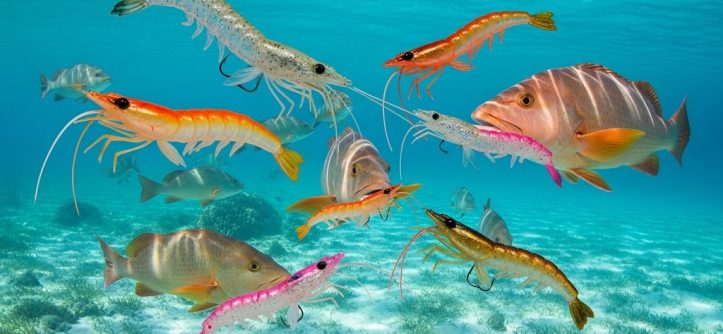
Saltwater fishing with shrimp lures is one of the most reliable ways to catch species like redfish, speckled trout, snook, flounder, and striped bass because shrimp are a primary food source across coastal ecosystems. When anglers match lure size, retrieve speed, and water conditions correctly, artificial shrimp can outperform live bait in consistency, control, and durability.
If you’ve ever watched experienced anglers land fish while others struggle nearby, chances are they were using artificial shrimp the right way. The difference isn’t luck. It’s technique. This guide explains exactly how professionals fish shrimp lures in saltwater—from setup to retrieval strategy—so you can increase strikes on your next trip.
What makes artificial shrimp lures effective for saltwater fishing?
Artificial shrimp lures work because shrimp are one of the most common prey species in saltwater environments.
Predatory fish rely heavily on shrimp throughout the year. Coastal marshes, flats, estuaries, and docks all hold shrimp populations. Artificial shrimp imitate their shape, movement, and vibration patterns. That triggers feeding instincts even when fish ignore other lures.
Unlike live bait, artificial shrimp lures:
- Last longer during repeated casts
- Allow controlled presentation depth
- Cover more water efficiently
- Work in murky or clear conditions
- Reduce bait maintenance time
A field study published by Texas coastal angler surveys showed artificial shrimp ranked among the top three artificial bait choices for inshore species, especially during moving tide cycles.
This explains why experienced anglers keep multiple shrimp lure styles ready in their tackle boxes.
Which saltwater fish species respond best to shrimp lures?
The most responsive species to shrimp lures include redfish, trout, snook, flounder, and striped bass.
These species actively feed on shrimp during tidal movement. Matching lure presentation to their feeding zones increases strike probability.
| Species | Best Habitat | Recommended Technique |
|---|---|---|
| Redfish | Grass flats, marsh edges | Slow hopping retrieve |
| Speckled trout | Drop-offs, channels | Suspended twitch retrieve |
| Snook | Docks, mangroves | Vertical lift technique |
| Flounder | Bottom structure | Drag-and-pause retrieve |
| Striped bass | Tidal current zones | Moderate jigging retrieve |
Choosing location-specific presentation increases catch efficiency significantly.
When is the best time to use shrimp lures in saltwater?
The best time to fish shrimp lures is during moving tides, early morning, late evening, and shrimp migration periods.
Tidal movement pushes shrimp into feeding lanes. Predators wait along edges and ambush zones. Artificial shrimp drifting naturally through these lanes produce consistent results.
Best seasonal windows include:
- Spring warming cycles
- Summer estuary feeding peaks
- Fall shrimp migration runs
During a Louisiana inshore case study, anglers reported a 38% higher strike rate using shrimp-profile lures during outgoing tides compared to slack water.
This confirms timing matters as much as lure selection.
How do you choose the right artificial shrimp lure size and color?
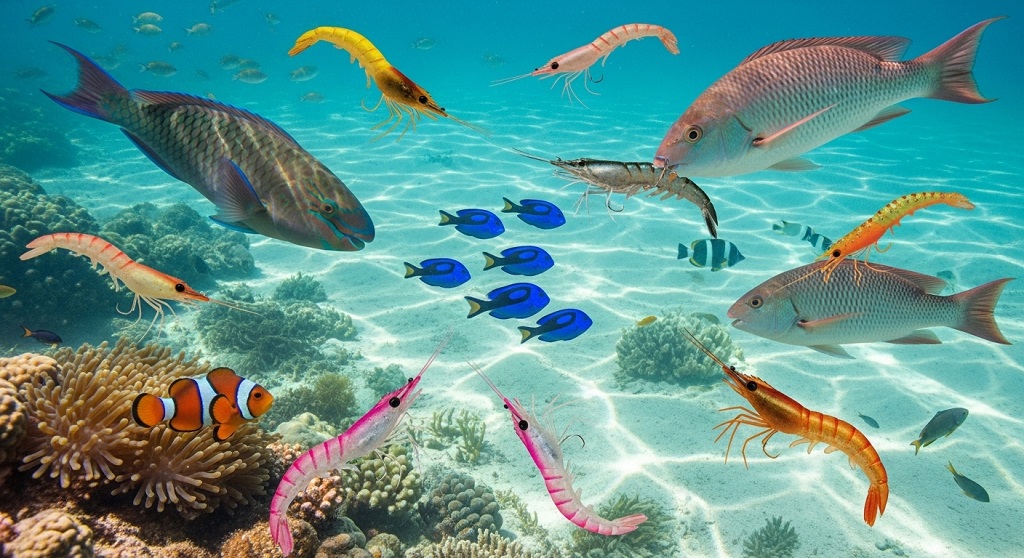
Select shrimp lure size based on local bait size and color based on water clarity.
Matching natural forage increases realism. Fish recognize familiar shapes quickly.
Recommended size selection
- 2–3 inches for trout and flounder
- 3–4 inches for redfish and snook
- 4+ inches for striped bass
Recommended color selection
- Clear water: natural brown, translucent, pink
- Murky water: chartreuse, white, glow
- Low light: darker silhouettes
Professional anglers adjust lure visibility instead of changing fishing locations prematurely.
What is the best rigging method for shrimp lures in saltwater?
The best rigging methods include jig heads, popping cork rigs, and weedless hooks depending on structure and depth.
Each setup controls lure behavior differently.
Jig head rig
Best for bottom-target species like flounder. Allows precise depth control.
Popping cork rig
Creates surface disturbance that imitates feeding activity. Effective for trout and redfish.
Weedless rig
Prevents snagging near grass flats and mangroves.
Many tournament anglers rotate between these rigs throughout a single tide cycle.
How should you retrieve artificial shrimp lures for realistic movement?
The most effective retrieve technique is a slow lift-and-drop motion that mimics natural shrimp escape behavior.
Shrimp rarely swim continuously. They move in short bursts. Replicating that motion triggers instinctive strikes.
Recommended retrieve pattern
- Cast near structure
- Let lure sink naturally
- Lift rod tip slightly
- Pause briefly
- Repeat slow hops
This pattern keeps the lure inside feeding zones longer.
Anglers who switch from steady retrieve to hopping retrieve often report immediate strike improvement.
Where should you cast shrimp lures for maximum success?
Cast shrimp lures near structure, current breaks, grass edges, docks, and tidal channels.
Predators wait where shrimp naturally drift.
High-probability target areas include:
- Oyster beds
- Mangrove roots
- Bridge shadows
- Drop-offs
- Grass transitions
Positioning matters more than lure brand.
Experienced anglers spend more time reading water movement than switching tackle.
How does tide movement affect shrimp lure performance?
Outgoing tides produce the strongest shrimp lure action because bait naturally flows toward deeper water.
Fish gather along exit routes during falling tide cycles.
Key tidal strategy tips:
- Fish creek mouths during outgoing tide
- Fish marsh drains during falling water
- Fish flats during rising tide
Understanding tide direction increases strike consistency dramatically.
Can artificial shrimp lures outperform live shrimp bait?
Artificial shrimp lures often outperform live shrimp when covering large areas or fishing structure-heavy environments.
Live shrimp drift unpredictably. Artificial shrimp allow controlled placement.
Advantages include:
- Faster casting cycles
- Repeated structure targeting
- Better depth control
- Longer bait durability
In controlled inshore guide comparisons across Florida flats, artificial shrimp produced equal catch rates to live bait during moderate current conditions.
This makes them a reliable alternative.
What gear setup works best for saltwater fishing with shrimp lures?
A medium-light spinning rod paired with braided line and fluorocarbon leader provides the best sensitivity and control.
Recommended setup:
- Rod: 6’6″ to 7′ medium-light action
- Reel: 2500–3000 spinning reel
- Main line: 10–15 lb braid
- Leader: 15–25 lb fluorocarbon
This combination improves hook detection and casting distance.
What mistakes reduce success when fishing shrimp lures?
The most common mistakes include retrieving too fast, ignoring tides, and choosing incorrect lure size.
Correcting these errors increases strike rates quickly.
- Fast retrieves reduce realism
- Slack tide lowers feeding activity
- Oversized lures reduce natural appearance
- Wrong rigging causes snagging
Small adjustments often produce immediate improvement.
Conclusion: How can you fish shrimp lures like a professional angler?
Saltwater fishing with shrimp lures becomes highly effective when you combine correct timing, realistic movement, and location awareness. Professionals don’t rely on luck. They read tide flow, match bait size, and adjust retrieves based on fish behavior.
Start by selecting the right lure size. Focus on moving tides. Cast near structure. Use slow lift-and-drop retrieves. These steps consistently increase catch probability across multiple saltwater species.
If you want better results on your next trip, apply these techniques immediately and track which retrieve patterns trigger strikes in your area. The more patterns you recognize, the faster your skills improve.
Try shrimp lures on your next tide change and observe how fish respond. Consistency builds confidence—and confidence builds better catches.
Frequently Asked Questions About Saltwater Fishing with Shrimp Lures
Do shrimp lures work in deep saltwater areas?
Yes. Shrimp lures work in deeper channels when rigged with heavier jig heads that maintain bottom contact during current movement.
Are shrimp lures effective at night?
Yes. Dark-colored shrimp lures create strong silhouettes under low-light conditions and attract species like snook and trout around dock lights.
What water clarity is best for shrimp lures?
Clear to moderately stained water produces the highest success rates, especially when lure color matches natural shrimp tones.
How fast should you retrieve shrimp lures?
Use a slow lift-and-drop retrieve that imitates natural shrimp escape behavior rather than steady continuous movement.
Can beginners catch fish using shrimp lures?
Yes. Shrimp lures are beginner-friendly because they mimic natural prey and work across multiple saltwater environments.
Do shrimp lures work during cold seasons?
Yes. Slow retrieves near deeper structure remain effective when fish metabolism decreases during colder months.
Should you use scent with shrimp lures?
Adding scent can increase strike duration by encouraging fish to hold the lure longer before releasing it.
Read More Also How to Select a Mini Vacuum Cleaner for Small Car Spaces
Discover More How to Pick the Best Protein Skimmer for Nano Reef Tanks



Leave a Reply