
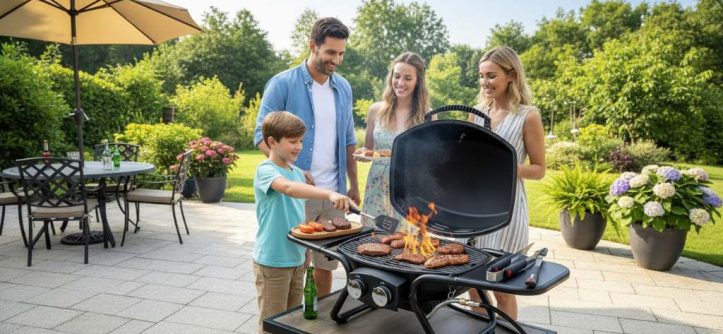
Imagine the sizzle of steaks hitting hot grates while friends laugh around the table. The sun dips low, and the air fills with mouthwatering aromas. Outdoor grilling turns ordinary evenings into special memories. Millions of people embrace this tradition every year.
According to the Hearth, Patio & Barbecue Association (HPBA), more than 70% of U.S. homeowners own a grill or smoker. Gas grills lead the pack because they start quickly and control heat easily. However, proper setup matters for safety. The National Fire Protection Association (NFPA) reports that grills cause thousands of home fires each year. Good preparation prevents most issues.
Ready to create your own outdoor cooking spot? Check out patio gas grill options to find one that suits your space. This guide walks you through every step to build a safe and inviting backyard grill station.
Why Choose a Gas Grill for Patio and Backyard Entertaining?
Gas grills win hearts for good reasons. They ignite with a simple turn of a knob. Heat adjusts instantly, so you cook with precision.
In contrast, charcoal takes time to light and manage. Gas models clean up faster too. No ash piles remain after the party ends.
Moreover, gas grills suit busy hosts. You spend less time tending fire and more time with guests. Many models include side burners for sauces or sides. This setup creates a full outdoor kitchen feel.
Finally, modern gas grills last longer with proper care. Stainless steel parts resist rust. They deliver years of reliable service for family gatherings.
Selecting the Perfect Location for Your Outdoor Gas Grill
Location sets the stage for success. Choose a level surface first. Concrete patios or stone pavers work best. They stay stable and handle heat well.

Next, keep distance from your home. Place the grill at least 10 feet from siding, decks, or overhangs. Flames and heat need space to dissipate safely.
Additionally, avoid windy spots. Strong gusts blow out flames or spread embers. Pick a sheltered corner instead.
Consider traffic flow too. Position the grill near your kitchen door for easy trips. Yet leave room for guests to mingle without crowding the cook.
Shade helps on hot days. An umbrella or pergola keeps you comfortable during long sessions. Good lighting matters for evening cooks. Add string lights or spotlights nearby.
Unboxing and Assembling Your New Gas Grill
Excitement builds when the box arrives. Open it carefully on a clean surface. Lay out all parts and check against the manual.
Most grills need basic tools. Gather a screwdriver, wrench, and pliers beforehand. Work with a friend if possible. Two sets of hands speed the process.
Start with the base. Attach legs or wheels securely. Tighten every bolt fully. Loose parts cause wobbles later.
Then build the firebox. Mount burners and heat plates next. Follow diagrams closely. Each step builds on the last.
Side shelves and tables come afterward. They expand your workspace for platters and tools. Finally, install the lid and control panel.
Take your time. A solid assembly lasts seasons. Rushed work leads to problems down the road.
Connecting the Gas Supply Safely
Gas connection demands attention. Propane tanks dominate for portability. Natural gas lines offer endless supply if available.
For propane, inspect the tank first. Look for dents or rust. Ensure the valve turns smoothly.
Attach the regulator hose next. Hand-tighten firmly, then add a quarter turn with a wrench. Never overtighten plastic fittings.
Open the tank valve slowly. Listen for hisses. Smell for leaks too. Soap water reveals bubbles at bad connections.
Natural gas setups need professional help. Plumbers route lines correctly and test pressure. Skip DIY here for safety.
Store extra tanks upright and away from the grill. Heat builds dangerous pressure inside. Discover A quick insight into the necessity and utility of bbq covers.
Performing Essential Safety Checks Before First Use
Safety checks prevent trouble. Test every connection with soapy water. Bubbles mean leaks that need fixing.
Open the lid before lighting. This stops gas buildup under the cover. Turn on burners one by one.
Watch flames closely. They should burn blue with yellow tips. Orange or wavy flames signal issues.
Check grease trays too. Empty and clean them regularly. Built-up fat catches fire easily.
Keep a fire extinguisher nearby. Choose one rated for grease fires. Practice its use once.
Teach family members basic rules. Never leave the grill unattended. Kids and pets stay back during cooking.
Lighting Your Gas Grill for the First Time
First lighting feels magical. Open the lid fully. Turn the tank valve on slowly.
Select one burner. Push the igniter button while turning the knob to high. Flames appear quickly on modern models.
If no spark shows, use a long lighter. Hold it near the burner ports. Turn gas on gently.
Let the grill preheat 10 to 15 minutes. This burns off factory residues. A light smoke smell is normal at first.
Close the lid during preheat. Heat builds faster this way. Brush grates clean once hot.
Turn burners down for cooking. Medium heat suits most foods. Practice control to master your grill.
Seasoning and Breaking In Your Grill
Seasoning protects grates. Brush them clean after preheat. Coat lightly with cooking oil.
High heat cures the oil. It forms a nonstick layer over time. Repeat after deep cleans.
Initial cooks work best with simple foods. Grill burgers or veggies first. This tests heat zones gently.
Note hot and cool spots. Every grill has them. Rotate food for even results.
Clean grates while warm after each use. A good brush removes bits easily. Cool grates hold stuck food tighter.
Seasoning improves with every cook. Flavors build naturally over weeks.
Creating Your Ideal Backyard Grill Station
A great station organizes everything. Add a prep table nearby. Stainless carts hold tools and plates.
Stock essential BBQ equipment. Tongs, spatulas, and brushes stay within reach. Hang them on hooks for quick grabs.
Lighting transforms evening cooks. Solar path lights guide guests. Overhead strings create warm glows.
Seating matters too. Arrange chairs in conversation circles. Add side tables for drinks.
Weather protection extends the season. A retractable awning shields rain. Wind breaks block gusts.
Personal touches shine. Plants in pots add color. Music speakers set the mood softly.
Essential Accessories for Better Grilling
Accessories lift your game. A good thermometer reads true temperatures. Instant models give fast results.
Grill baskets hold small foods. Veggies and shrimp cook without falling through.
Cast iron skillets sear perfectly on grates. They retain heat for steaks and sides.
Cover your grill when cool. Custom fits protect from rain and dust.
Meat claws shred pulled pork easily. Heat-resistant gloves guard hands during moves.
Rotisserie kits expand menus. Whole chickens turn golden and juicy.
Safety Tips for Every Grilling Session
Safety stays top priority. Keep kids and pets away from hot surfaces. Set clear boundaries.
Never move a lit grill. Wheels tempt quick shifts, but danger follows.
Watch grease buildup. Clean drip pans after fatty meals. Fires start from ignored drips.
Alcohol and grilling mix poorly. Stay alert while hosting drinks.
Windy days need caution. Shield flames or postpone cooking.
Carbon monoxide rises outdoors rarely. Still, grill in open areas.
Maintenance to Keep Your Grill Shining
Regular care extends life. Brush grates after each cook. Warm metal releases food easily.
Deep clean monthly. Remove grates and plates. Scrape burners gently.
Empty grease traps often. Full ones overflow and flame up.
Check hoses yearly. Cracks or brittleness mean replacement time.
Cover the grill when not in use. UV rays fade finishes fast.
Winter storage needs extra steps. Disconnect tanks and store indoors.
Hosting Unforgettable Backyard Parties
Plan menus ahead. Mix grilled mains with fresh sides. Prep ingredients early.
Set a timeline. Light the grill 30 minutes before guests arrive. Preheat fully.
Create stations. One for drinks, another for appetizers. Flow keeps lines short.
Music sets tone. Choose upbeat playlists at moderate volume.
Games engage guests. Cornhole or cards fill waiting time.
End with dessert on the grill. Fruit skewers caramelize beautifully.
Troubleshooting Common Gas Grill Issues
Uneven heating frustrates cooks. Clean burner ports first. Clogs cause weak flames.
Igniter failures happen. Replace batteries or the module when needed.
Flare-ups scare new grillers. Move food to cooler zones quickly. Lower heat helps.
Rust spots appear over time. Sand lightly and repaint with heat-safe paint.
Low flame points to empty tanks. Keep spares ready for long parties.
Leaks demand immediate action. Turn off gas and repair before next use.
Explore Top Russian foods to try.
Conclusion
Setting up your outdoor gas grill opens doors to joyful gatherings. You choose the right spot and assemble carefully. You connect gas safely and run checks thoroughly.
Each step builds confidence. Soon you master heat and timing. Friends gather around your backyard grill station. Laughter mixes with sizzling sounds.
Start today. Fire up that grill and create memories. Your perfect patio entertaining space waits.
FAQs
What is the safest distance to place a gas grill from my house?
Keep your grill at least 10 feet from siding, doors, and windows. This distance prevents heat damage and fire spread. Local codes may require more space.
How do I know if my propane tank has a leak?
Apply soapy water to connections. Bubbles form if gas escapes. Turn off the tank immediately and tighten or replace parts.
Can I use my gas grill in winter?
Yes, gas grills work well in cold weather. Preheat longer and shield from wind. Clear snow from vents for proper airflow.
How often should I clean my gas grill?
Brush grates after every use. Deep clean burners and trays monthly. This prevents flare-ups and extends grill life.
Is natural gas or propane better for outdoor grills?
Natural gas offers endless supply and lower cost per use. Propane provides portability for any location. Choose based on your setup needs.
Ref:
- Hearth, Patio & Barbecue Association Industry Data: https://hpba.org/data
- NFPA Home Grill Fires Report: https://www.nfpa.org/education-and-research/research/nfpa-research/fire-statistical-reports/home-grill-fires
- HPBA Grilling Insights Press Release (2025): https://www.wkrg.com/business/press-releases/ein-presswire/825179263/hearth-patio-barbecue-association-shares-insights-for-julys-national-grilling-month


Leave a Reply