
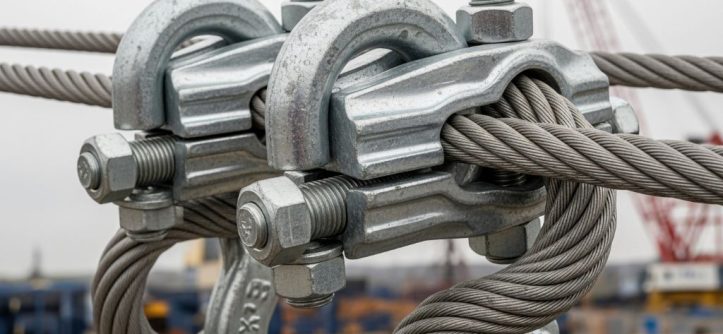
Securing ropes and cables properly can mean the difference between a safe, reliable installation and a dangerous failure. Whether you’re rigging equipment, building structures, or setting up outdoor systems, choosing the right clamps ensures your work stays secure under pressure. Understanding what makes a quality clamp suitable for demanding applications will help you make informed decisions that prioritize both safety and longevity.
Many people underestimate the importance of proper rope and cable securing hardware. They assume any clamp will work for their project. However, using inadequate or improperly rated clamps can lead to equipment damage, project failure, or serious injuries. The stakes are particularly high when working with loads, elevated installations, or outdoor environments where weather adds extra stress.
This comprehensive guide walks you through everything you need to know about selecting clamps designed for demanding applications. You’ll learn about materials, load ratings, installation techniques, and common mistakes to avoid. By the end, you’ll have the knowledge to choose clamps that keep your projects secure for years to come.
Understanding Load Requirements and Safety Factors
Before selecting any securing hardware, you must understand the loads your installation will handle. This calculation forms the foundation of safe rigging and construction practices. Many failures occur because people choose hardware based on the rope diameter alone without considering actual working loads.
Start by determining the maximum weight your rope or cable will support. Include not just the static weight but also any dynamic forces. Movement, wind, vibration, and sudden stress all increase the actual forces on your hardware. Therefore, your clamps must handle significantly more than the static load suggests.
Safety factors provide a crucial buffer between normal working loads and the breaking point. Professional riggers typically use a safety factor of five to one for overhead applications. This means if your rope will hold 1,000 pounds during use, your hardware should be rated for at least 5,000 pounds breaking strength.
Different applications require different safety margins. Permanent installations need higher safety factors than temporary setups. Outdoor applications where weather creates additional stress also demand more robust hardware. Additionally, situations where failure could cause injury or death require the highest safety margins possible.
Never assume that matching the clamp size to your rope diameter is sufficient. A clamp that fits a half-inch rope might have very different load ratings depending on its construction and materials. Always check the manufacturer’s specifications for actual working load limits.
Material Selection and Corrosion Resistance
The material your clamps are made from determines their strength, durability, and resistance to environmental factors. Choosing the wrong material for your environment can lead to premature failure even if the initial load rating seems adequate.
Steel clamps offer excellent strength at a reasonable cost. They work well for indoor applications or situations with minimal moisture exposure. However, untreated steel rusts quickly when exposed to water or humidity. This corrosion weakens the clamp over time, potentially leading to unexpected failure.
Galvanized cable clamp options provide significantly better corrosion resistance through a protective zinc coating. Hot-dip galvanizing creates a thick, durable layer that protects the underlying steel from moisture and chemicals. This treatment makes clamps suitable for outdoor use, marine environments, and industrial settings where corrosion is a concern.
The galvanizing process also affects performance. Hot-dip galvanizing produces a thicker, more durable coating than electro-galvanizing. For heavy duty rope clamp applications, hot-dip galvanized hardware offers superior protection and longevity. The coating thickness directly correlates to how long the clamp will resist corrosion.
Stainless steel provides the highest corrosion resistance available. Marine-grade stainless steel clamps can withstand constant saltwater exposure without degrading. However, stainless steel costs significantly more than galvanized options. Reserve these premium clamps for the most demanding environments where galvanized hardware would fail prematurely.
Aluminum clamps are lightweight and naturally corrosion-resistant. They work well for applications where weight matters and loads are moderate. Nevertheless, aluminum has lower strength than steel, making it unsuitable for the heaviest applications. Always verify that aluminum clamps meet your specific load requirements.
Understanding Clamp Design and Construction
Different clamp designs serve different purposes. Understanding these variations helps you select hardware optimized for your specific application. The wrong design can compromise security even if the material and load rating are appropriate.
U-bolt clamps are the most common design for rope and cable applications. They feature a U-shaped bolt that wraps around the rope with a saddle plate and two nuts that tighten down to secure it. This design distributes clamping force evenly and works well for most applications.
The saddle shape matters more than many people realize. Grooved saddles that match the rope diameter provide better grip and reduce the risk of the rope slipping. Flat saddles work but offer less security, especially under dynamic loads. Therefore, grooved saddles are preferable for critical applications.
Wire rope clips come in different styles, including fist grip and duplex designs. Each has advantages depending on your application. Fist grip clips provide excellent holding power but require more rope length to install properly. Duplex designs are more compact but may not grip as securely under extreme conditions.
The thread quality and nut design affect how reliably the clamp maintains tension. Coarse threads with thick nuts resist vibration loosening better than fine threads. Lock nuts or nylon-insert nuts provide additional security against unintentional loosening over time.
Forged clamps are stronger than cast alternatives. The forging process aligns the metal’s grain structure, creating superior strength and impact resistance. Cast clamps cost less but have a higher failure rate, particularly when subjected to shock loads or vibration.
Proper Sizing and Fit Considerations
Selecting the correct size clamp for your rope or cable diameter is essential for both security and hardware longevity. Too small and the clamp won’t grip properly. Too large and you can’t achieve adequate clamping force.
Manufacturers specify rope diameter ranges for each clamp size. Always choose clamps rated for your specific rope diameter. When your rope diameter falls between sizes, select the larger size and tighten carefully to achieve proper grip without damaging the rope.
The U-bolt length must allow enough thread to extend beyond the nuts when properly tightened. Insufficient thread engagement weakens the connection and increases the risk of nut loosening. Generally, you want at least two full thread turns visible beyond the nuts after tightening.
Saddle width should match or slightly exceed your rope diameter. Narrow saddles concentrate clamping force over a smaller area, potentially damaging the rope. Wider saddles distribute force better but may not provide adequate grip on smaller ropes.
Consider the rope construction when sizing clamps. Braided ropes compress differently than twisted ropes. Synthetic ropes may compress more than steel cables. Account for this compression when selecting clamps, as you need enough adjustment range to maintain proper clamping force as the rope settles.
Multiple smaller clamps sometimes work better than a single large clamp for very thick ropes or when maximum security is required. However, this approach requires careful attention to proper spacing and equal tightening of all clamps.
Installation Best Practices
Proper installation is just as important as choosing quality hardware. Even the best clamps will fail if installed incorrectly. Following established best practices ensures your installation remains secure under load.
The saddle should always be placed on the load-bearing side of the rope. This configuration ensures the U-bolt bears against the dead end while the saddle supports the live load. Installing clamps backward puts excessive stress on the U-bolt threads and can cause premature failure.
Use the correct number of clamps for your application. One clamp is rarely sufficient for critical loads. The required number depends on rope diameter and application severity. Generally, three clamps provide adequate security for most applications, though some situations require more.
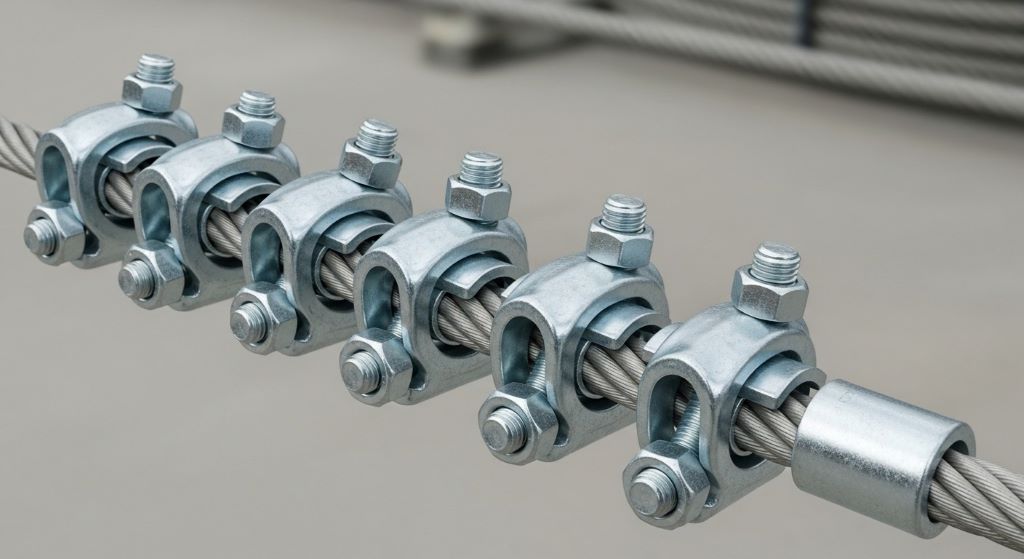
Space multiple clamps properly along the rope. The first clamp should be placed approximately one rope diameter from the rope end. Additional clamps should be spaced at intervals of roughly six rope diameters. This spacing distributes clamping force effectively along the rope.
Tighten clamps in the proper sequence. Start with the clamp closest to the loop, then work toward the dead end. Tighten each clamp progressively rather than fully tightening one before moving to the next. This approach distributes stress evenly and prevents rope damage.
Apply appropriate torque when tightening. Insufficient torque allows the rope to slip. Excessive torque damages the rope fibers or distorts the clamp. Use a torque wrench when specified by the manufacturer. Otherwise, tighten until the rope begins to compress slightly but not so much that rope fibers become visible.
Inspecting and Maintaining Your Clamps
Regular inspection and maintenance extend the life of your clamps and ensure continued safety. Even quality hardware eventually wears or corrodes. Catching problems early prevents failures and allows for planned replacement rather than emergency repairs.
Establish an inspection schedule based on your application severity. Outdoor installations require more frequent inspection than indoor applications. Dynamic loads and vibration also necessitate more regular checks. At minimum, inspect clamps quarterly for most applications.
Check for visible corrosion, particularly at thread areas and under the saddle. Surface rust on galvanized clamps isn’t necessarily cause for replacement, but deep pitting or flaking indicates the protective coating has failed. Replace heavily corroded clamps before they weaken dangerously.
Verify that nuts remain tight. Vibration and thermal expansion can loosen nuts over time. Check torque with a wrench rather than just visually inspecting. Retighten as needed, but if nuts consistently loosen, consider replacing them with locking varieties.
Examine ropes where they pass through clamps. Look for signs of wear, crushing, or fraying. Damaged rope sections should prompt both rope and clamp replacement. The damage pattern often indicates whether the clamp was improperly sized or installed.
Document your inspections. Keep records of when clamps were installed, inspection dates, and any issues found. This documentation helps track the service life of different clamp types and materials in your specific applications, informing future purchasing decisions.
Common Mistakes and How to Avoid Them
Understanding common errors helps you avoid them in your own installations. Many clamp failures result from preventable mistakes rather than hardware defects or inadequate ratings.
Using too few clamps is one of the most frequent errors. People try to save money or effort by minimizing hardware. However, the small cost of additional clamps is insignificant compared to the potential cost of failure. Always use the recommended number of clamps for your application.
Installing clamps backward puts stress on the wrong components. Remember: saddle on the live load, U-bolt on the dead end. This simple rule prevents numerous failures. Mark your ropes or create installation guides to ensure correct orientation every time.
Failing to account for environmental factors leads to premature corrosion and failure. Galvanized hardware is essential for outdoor use, but many people choose plain steel to save money. The few dollars saved on initial purchase cost far more when early replacement becomes necessary.
Mixing incompatible materials creates galvanic corrosion. Using stainless steel clamps with galvanized cables, or vice versa, accelerates corrosion at the contact points. Stick with matching materials or use appropriate isolating materials when mixing is unavoidable.
Neglecting to retighten after initial loading causes many failures. Ropes compress and settle under initial load. Retightening clamps after the system has been loaded but before putting it into full service ensures proper grip. Schedule this retightening as part of your installation process.
Special Considerations for Different Applications
Various applications have unique requirements that affect clamp selection. Understanding these differences helps you choose hardware optimized for your specific situation.
Marine environments are particularly harsh on hardware. Saltwater accelerates corrosion dramatically. Even galvanized clamps may not provide adequate protection for long-term marine use. Consider stainless steel for saltwater applications or commit to more frequent inspection and replacement of galvanized hardware.
Overhead rigging demands the highest safety standards. Anything that could fall poses serious injury risks. Use higher safety factors, more clamps than minimum recommendations, and more frequent inspections. Additionally, consider redundant securing methods where feasible.
Agricultural applications often involve both weather exposure and chemical exposure from fertilizers and pesticides. These chemicals can degrade certain materials faster than plain weather exposure. Choose clamps specifically rated for agricultural environments when available.
Industrial settings may expose clamps to heat, vibration, or chemical processes. Each factor affects material performance. High-temperature environments may require special alloys. Chemical exposure necessitates checking compatibility between the chemicals and your clamp materials.
Temporary installations don’t require the same longevity as permanent ones, but they still demand adequate safety margins. Don’t compromise on load ratings just because an installation is temporary. However, you might choose less expensive materials if corrosion resistance isn’t critical for the short service life.
Cost Versus Value Considerations
Price matters, but focusing solely on initial cost can lead to poor long-term value. Understanding the relationship between price, quality, and total cost of ownership helps you make smart purchasing decisions.
Cheap clamps cost less upfront but often require earlier replacement. They may use thinner materials, inferior coatings, or lower-quality manufacturing processes. Calculate the cost per year of service rather than just the purchase price. Quality clamps that last five times longer than cheap alternatives are worth paying double or triple the initial price.
Bulk purchasing reduces per-unit costs significantly when you need many clamps. However, only buy in bulk if you’re certain about the specifications. Having a large quantity of the wrong clamps doesn’t save money. Start with a small order to verify fit and performance before committing to large quantities.
Name-brand manufacturers typically charge premium prices but offer better consistency and support. Their products undergo more rigorous testing and quality control. Generic brands may perform adequately but with more variation between batches. For critical applications, the premium for trusted brands provides valuable peace of mind.
Consider the total system cost when budgeting. Clamps are usually a small portion of total project costs. Skimping on clamps to save a few dollars on a thousand-dollar project makes little sense. Prioritize safety and reliability over minimal cost savings on hardware.
Warranty coverage adds value beyond the physical product. Manufacturers who stand behind their products with solid warranties demonstrate confidence in their quality. Factor warranty terms into your value assessment, particularly for permanent installations.
Documentation and Compliance Requirements
Many applications require specific documentation and compliance with standards. Understanding these requirements ensures your installations meet legal and safety obligations.
Industry standards like those from ASME, ASTM, and similar organizations specify minimum requirements for various applications. Verify that your chosen clamps meet relevant standards for your industry and application. Manufacturers should provide documentation confirming compliance.
Load test certificates document that hardware meets specified ratings. For critical applications, request certified test results rather than relying solely on catalog specifications. This documentation proves that specific hardware batches have been tested and meet requirements.
Traceability markings allow you to identify specific manufacturing batches. Quality manufacturers mark their products with identifiable codes. This traceability becomes important if recalls occur or if you need to verify the age and specifications of installed hardware.
Keep purchase records and installation documentation. Note when clamps were installed, their specifications, and their intended use. This information proves valuable for maintenance scheduling and helps investigators understand your installation if problems occur.
Some applications require professional engineering approval. Building codes, maritime regulations, and industrial safety standards often mandate that qualified engineers design and approve rigging systems. Don’t assume you can design your own system without appropriate expertise.
Conclusion
Choosing the right rope clamps for demanding applications requires careful consideration of multiple factors. Understanding load requirements, material properties, and proper installation techniques ensures your projects remain safe and secure. Heavy duty rope clamp and galvanized cable clamp options provide the strength and corrosion resistance necessary for challenging environments.
Remember that initial hardware cost represents a tiny fraction of total project investment. Prioritizing quality and appropriate specifications over minimal cost savings prevents failures that could cost far more than the hardware itself. Select clamps rated for your specific loads with adequate safety factors built in.
Proper installation following manufacturer guidelines is just as critical as choosing quality hardware. The best clamps will fail if installed incorrectly or insufficiently. Use the recommended number of clamps, install them in the correct orientation, and maintain appropriate spacing and torque.
Regular inspection and maintenance extend hardware life and catch problems before they cause failures. Establish inspection schedules appropriate to your application severity and environment. Document your inspections and track hardware performance over time.
By following the guidance in this article, you’ll be equipped to select, install, and maintain rope clamps that provide reliable service for years. Your projects will be safer, more durable, and compliant with relevant standards. The knowledge you’ve gained helps protect both your investment and the people who depend on your installations.
Frequently Asked Questions
How many clamps do I need for a secure rope connection?
The number of clamps required depends on rope diameter and application severity. As a general rule, use a minimum of three clamps for most applications. Ropes larger than one inch in diameter may require four or more clamps. Critical overhead applications or dynamic load situations should use additional clamps beyond the minimum recommendation. Always consult manufacturer specifications and relevant industry standards for your specific rope size and application.
What’s the difference between galvanized and stainless steel clamps?
Galvanized clamps are steel coated with zinc to provide corrosion protection. They’re suitable for most outdoor applications and cost significantly less than stainless steel. Stainless steel offers superior corrosion resistance, particularly in marine environments with saltwater exposure. However, stainless steel costs three to five times more than galvanized alternatives. Choose galvanized for general outdoor use and stainless steel only when exposure to saltwater or harsh chemicals makes it necessary.
Can I reuse rope clamps on a different installation?
Reusing clamps is generally not recommended for critical applications. Threads can become damaged during initial installation and removal. The clamping surfaces may develop grooves from the previous rope. Additionally, you cannot verify whether the clamps were properly loaded during their previous use. For non-critical, temporary applications, visual inspection may reveal whether clamps are suitable for reuse. However, for permanent or safety-critical installations, always use new clamps.
How tight should I make the clamps when installing them?
Tighten clamps until the rope begins to compress slightly but not so much that individual fibers become visible or distorted. If the manufacturer provides torque specifications, use a torque wrench to achieve the recommended tightness. Over-tightening damages rope fibers and reduces their strength. Under-tightening allows the rope to slip through the clamps. After initial loading, always retighten clamps as the rope settles and compresses under load.
How often should I inspect my rope clamps?
Inspection frequency depends on your application environment and loading conditions. For outdoor installations, inspect quarterly at minimum. Dynamic loads, vibration, or harsh weather exposure require monthly inspections. Indoor installations with static loads can be inspected semi-annually. Always inspect after any unusual events like storms, impacts, or unexpected loading. Document all inspections and establish a consistent schedule appropriate to your specific situation and risk tolerance.
Related Topics:
Dare to Be Brave, on this Exciting, Exhilarating High Ropes Course
Sheng Biao: The Ancient Chinese Rope Dart Weapon and How It’s Used



Leave a Reply