
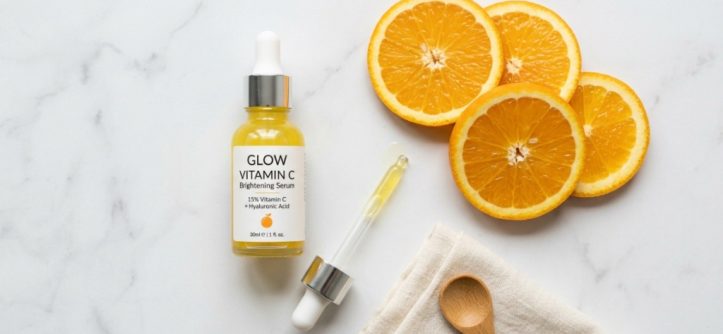
You know the feeling. You scroll through beauty reviews, eyes glaze over at another $120 serum, and you wonder: is there really no cheaper way to get that glow without sacrificing results? The short answer is yes—if you know what to look for. The problem isn’t a lack of affordable options; it’s the noise. Cheap fillers, fancy packaging, and confusing ingredient lists make it nearly impossible to find a budget brightening serum that delivers. This guide cuts through the marketing fluff. We’re going to show you exactly how to identify, compare, and buy a high-efficacy serum that fits your wallet. No guesswork. No regret. Just real, actionable steps to brighter skin without the premium price tag.
What Exactly Is a Budget Brightening Serum?
A budget brightening serum is a concentrated skincare product priced under $30 that uses proven active ingredients to reduce hyperpigmentation, even out skin tone, and boost radiance. It skips the luxury packaging, expensive fragrances, and celebrity endorsements to focus on what actually works: science-backed actives.
Defining the “Budget” Threshold in Skincare
When we say “budget,” we mean serums typically ranging from $10 to $30. Anything below $5 is often a moisturizer labeled as a serum, while anything above $35 enters the mid-range category. The sweet spot for value is between $12 and $25. Brands in this range save money on marketing and packaging, not formulation. You get the same active ingredients found in department store serums (vitamin C, niacinamide, tranexamic acid) at a fraction of the cost.
Key Differences Between Budget and High-End Serums
- Packaging: Budget brands use airless pumps or simple dropper bottles instead of heavy glass or magnetic lids. This keeps shipping costs low.
- Fragrance: Luxury serums often add botanical extracts and essential oils for scent. Budget options are often fragrance-free, which is actually better for sensitive skin.
- Stabilization: High-end brands invest more in encapsulation technology to keep active ingredients stable longer. However, budget serums compensate with smaller batch sizes and shorter shelf lives.
- Concentration: A $100 serum might use 20% vitamin C in a patented derivative. A good budget serum uses 10–15% of a standard derivative like ascorbic acid or SAP, which is still effective for most skin types.
Why Price Doesn’t Always Equal Efficacy
Clinical studies show that niacinamide at 5% concentration works equally well whether it costs $20 or $200. The active molecule is identical. The difference is the delivery system and the preservatives. A budget brand might use slightly less stable vitamin C, meaning you need to use it up faster. But for immediate brightening effects, the price-to-performance ratio is remarkably close. What you lose in shelf luxury, you gain in pocket savings.
Why Do Most Cheap Brightening Serums Fail?
Most cheap serums fail because they use watered-down active ingredients, skip stability testing, or rely on irritating alcohols. A $6 serum with 2% niacinamide and no form of vitamin C won’t deliver noticeable brightening. You don’t need to spend a fortune, but you must avoid products that cut corners on formulation integrity.
The “Fill Factor” Trap: Glycerin Overload
Check the ingredient list. If you see water listed first, followed by glycerin, then a long list of preservatives and texture enhancers before you spot any active ingredient, you’ve found a glorified moisturizer. Budget brands sometimes load their serums with humectants and thickeners to create a “serum-like” feel without actually delivering active brighteners. The result? Hydrated skin, but zero change in pigmentation or dullness.
Stability Issues with Vitamin C in Budget Formulations
L-ascorbic acid (the gold standard vitamin C) oxidizes rapidly when exposed to air and light. Luxury brands use nitrogen-purging and opaque, airless packaging to prevent this. Budget versions sometimes use a simple clear glass dropper bottle, which lets light in and ruins the product within two weeks. If you see a cheap vitamin C serum in a clear bottle, it will likely turn orange-brown before you finish it. Look for opaque pumps or tinted bottles instead.
Misleading Marketing Terms That Promise Too Much
- “Brightening” vs. “Lightening”: Many budget serums say “brightening” but only exfoliate dead skin cells superficially (like AHAs). Real brightening targets melanin production at the source.
- “Dermatologist-Tested” vs. “Dermatologist-Approved”: Tested just means one derm looked at the formula. Approved means it passed rigorous clinical trials.
- “Concentrated” on the front label: This is unregulated. A serum can call itself concentrated with only 0.5% active ingredient.
- “Natural” brighteners: Plant extracts like licorice root are mild but slow. They work only at very high concentrations, which most budget brands cannot afford to include in sufficient quantity.
Which Ingredients Should You Look for in an Affordable Serum?
You want ingredients with proven clinical data that are cheap enough to include at effective concentrations. These four active ingredients deliver real results without breaking the bank: niacinamide, tranexamic acid, alpha arbutin, and stabilized vitamin C derivatives. Avoid products that list “brightening complex” without specifying the exact ingredients and percentages.
Niacinamide: The Budget Brightener Champion
Niacinamide (vitamin B3) is the backbone of affordable brightening. It inhibits melanosome transfer, meaning it stops pigment from moving to the surface of your skin. At 4–5% concentration, it works as well as prescription hydroquinone for many users but with zero irritation. Look for it listed in the first five ingredients. A serum with niacinamide as its second or third ingredient is a strong candidate. Bonus: it also strengthens the skin barrier and reduces pore appearance.
Tranexamic Acid: Underrated and Affordable
Tranexamic acid is a synthetic amino acid that blocks plasmin, a molecule that triggers melanin production. It’s especially effective for post-inflammatory hyperpigmentation (PIH) from acne. The good news? It is relatively inexpensive to synthesize. A good budget serum will include it at 2–3%. It pairs beautifully with niacinamide and works faster than vitamin C for stubborn dark spots when used consistently for about 8 weeks.
Alpha Arbutin vs. Kojic Acid: Which Wins on a Budget?
Alpha arbutin is a botanically derived ingredient that slowly releases hydroquinone in the skin. It is gentle and effective, but it takes time (6–12 weeks) to show visible results. Kojic acid (from mushrooms) works faster but can be irritating and unstable in low-cost formulations. For a budget buy, alpha arbutin is safer because it requires less stabilization technology. Look for concentrations around 1–2% on the label. If the brand does not disclose the percentage, assume it is below 1%.
How to Read a Serum Label Like an Expert on a $20 Budget
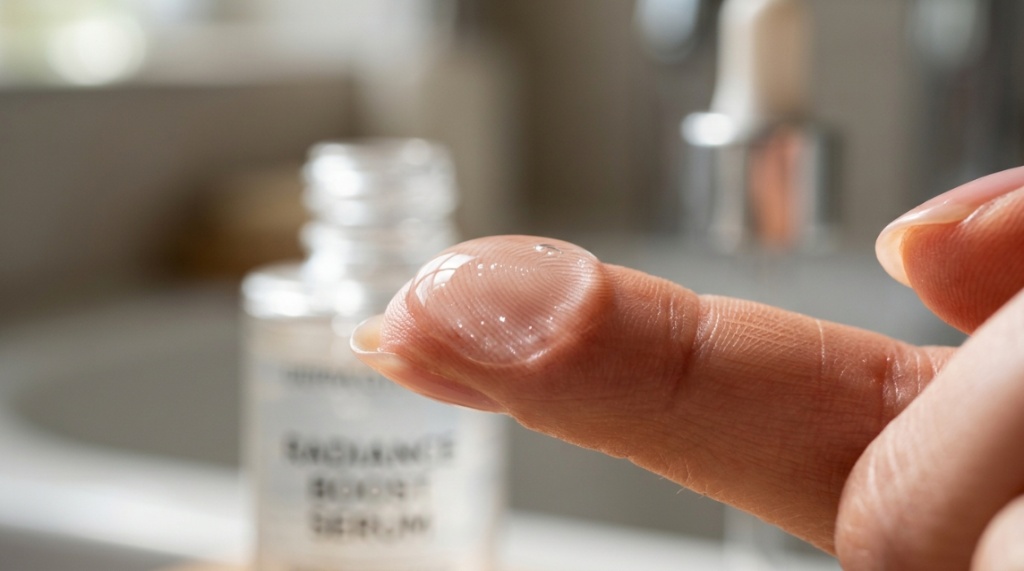
Reading a serum label correctly saves you from wasting money on ineffective formulas. Focus on three things: the first five ingredients (highest concentration), the presence of preservatives (to prevent oxidation), and the absence of drying alcohols like SD alcohol or denatured alcohol. Ignore the “hero ingredient” claim on the front of the bottle.
Decoding the INCI List for Active Concentrations
Ingredients are listed in descending order of weight. If you see water, glycerin, dimethicone, and then niacinamide, the concentration is likely around 2–3%. If niacinamide appears in the top three ingredients, the concentration is likely 4–5% or higher. For vitamin C derivatives like ascorbyl glucoside or sodium ascorbyl phosphate, look for them in the top five to ensure efficacy. If an ingredient appears after the preservative (like phenoxyethanol), its concentration is less than 1% and likely too low to work. If your current regimen is falling flat, check out these reasons why your skincare routine isn’t working before switching products.
Red Flags: Alcohol, Fragrance, and Drying Agents
- Denatured alcohol (alcohol denat.): Evaporates quickly and strips the acid mantle. Avoid any serum listing this in the first seven ingredients.
- Fragrance (parfum): Unnecessary irritant for brightening serums. Many budget serums use cheap synthetic fragrance to cover up the natural smell of actives. Choose fragrance-free whenever possible.
- Essential oils: Lemon, orange, or grapefruit oils are phototoxic and can worsen hyperpigmentation when exposed to sunlight. Avoid them in a daytime brightening serum.
- Cetyl alcohol in high amounts: Thickens the formula but creates a film that prevents penetration of active ingredients.
How to Spot a Fake “Concentrated” Formula
A genuine concentrated formula has a slightly thicker, almost gel-like texture, not watery. If it runs off your hand like water, it is mostly solvent. Also, check the volume: a 30ml bottle of genuine concentrated serum should last about 4–6 weeks with twice-daily use. If a 50ml bottle costs $8 and claims to last three months, it is heavily diluted. Trust your instincts: if the price seems too low relative to the bottle size, the product is likely 90% water and thickener.
Can a $15 Serum Really Fade Dark Spots?
Yes, a $15 serum can fade dark spots, provided it contains the right ingredients at effective concentrations and you use it consistently for at least 8–12 weeks. The key is choosing a product with niacinamide (5%) and tranexamic acid (2%) or a stabilized vitamin C derivative. Avoid expecting overnight results. Real brightening takes time, regardless of the price tag.
The Truth About Concentration vs. Price
Active ingredients like niacinamide cost manufacturers about $5–$10 per kilogram. A serum bottle holds 30ml, meaning the actual active ingredient cost is pennies per bottle. The price you pay mostly covers marketing, packaging, and distribution. A $15 serum made by a direct-to-consumer brand that skips retail markups can be just as potent as a $50 serum from a department store brand. The price difference does not always correlate with active ingredient quality.
Realistic Timeline: How Long Until You See Results?
For a budget serum with niacinamide and tranexamic acid, here is what you can expect:
- Week 1–2: Skin feels smoother and more hydrated. Surface dullness reduces due to barrier repair.
- Week 3–4: Dark spots appear slightly lighter. New breakouts heal faster with less residual pigmentation.
- Week 6–8: Noticeable evenness in overall skin tone. Stubborn age spots begin to fade.
- Week 10–12: Optimal brightening results visible. Spots may be 30–50% lighter.
Do You Need to Spend More for Faster Results?
Not necessarily. Faster results come from higher concentrations of active ingredients, not from a higher price. A $12 serum with 10% vitamin C (ascorbyl glucoside) will work faster than a $60 serum with 2% vitamin C and fancy packaging. However, higher concentrations also increase the risk of irritation. Slower, consistent results from a budget serum are often safer for long-term skin health than rapid, high-concentration treatments that damage the barrier.
How to Layer a Budget Brightening Serum for Maximum Benefit
Layering matters more than the serum itself. Apply your brightening serum onto clean, damp skin after cleansing but before moisturizer. Wait 30–60 seconds for absorption before applying the next product. Use it consistently morning and evening for best results, and always follow with sunscreen during the day. Proper layering maximizes penetration and prevents pillage.
Morning Routine: Protection-First Approach
In the morning, brightening serums containing vitamin C or niacinamide work as an antioxidant shield against environmental damage. Apply after washing your face with a gentle cleanser. Wait one minute. Apply a pea-sized amount of your serum. Then wait another 30 seconds before applying a lightweight moisturizer. Finish with SPF 30 or higher. The vitamin C boosts the efficacy of your sunscreen by neutralizing UV-generated free radicals before they can trigger melanin production.
Evening Routine: Repair and Regenerate
At night, your skin is in repair mode. Brightening serums with tranexamic acid or alpha arbutin work best here because they are not light-sensitive. Apply after your cleansing and exfoliating steps (if you exfoliate that night). If you use a retinol, apply the brightening serum first, wait 10 minutes for absorption, then apply retinol. Always follow with a rich moisturizer to support the skin barrier during the brightening process.
What to Avoid Mixing with Your Brightening Serum
- Do not mix with benzoyl peroxide: It will oxidize and deactivate both ingredients.
- Avoid high-pH cleansers: Alkaline cleansers disrupt the acid mantle and reduce the absorption of acidic serums.
- Skip oil-based products directly over the serum: Thick oils can block water-soluble brightening ingredients from penetrating. Apply oil after hydration.
- Do not use with physical scrubs on the same day: Over-exfoliating reduces the skin barrier, making brightening actives sting or cause irritation.
Where to Buy an Affordable Brightening Serum Without Getting Scammed
Buy directly from the brand’s official website or from reputable online retailers like Amazon (check for official storefronts), Ulta, or Target. Avoid third-party sellers on eBay or Etsy who repackage unknown formulations without disclosure. If a deal seems too good to be true (like $5 for a 50ml brightening serum), it almost certainly is a watered-down imposter.
Online Retailers vs. Drugstore Brands
Drugstore brands like CeraVe, The Ordinary, and Inkey List have rigorous quality control because they face FDA regulation as cosmetics. Their serums are reliable because they are batch-tested for stability and contamination. Online-only brands may offer lower prices, but they sometimes lack third-party testing. Look for brands that post third-party lab reports or have transparent batch numbers. If a brand has no mention of manufacturing standards, proceed with caution.
Signs of a Skin Care Scam You Must Know
Red flags include: No ingredient list (only marketing claims), “miracle” before-and-after photos that look dramatically different in one week, anonymous positive reviews that seem copied, and the use of prohibited ingredients like undisclosed hydroquinone (>2%) in budget formulations. If a product makes claims about “cleaning toxins” or “detoxifying the skin,” it is likely pseudoscientific and ineffective. Real brightening serums have scientific-sounding names and measurable active percentages.
Our Top 3 Criteria for Choosing a Budget Brightening Serum
To simplify your search, evaluate each candidate product against these three criteria: ingredient transparency, concentration disclosure, and packaging integrity. A product that scores well on all three will almost always deliver results. For a great example of a product that meets these criteria, you can check this budget brightening serum that balances cost and efficacy.
Ingredient Transparency
The brand must list every ingredient with its INCI name. Bonus points if they disclose the percentage of key actives. A serum that says “contains niacinamide” without specifying the percentage is less trustworthy than one that says “5% niacinamide.” Transparency builds trust because it shows the manufacturer is confident in their formula.
Concentration Disclosure
Look for brands that explicitly state percentages on the product page or packaging. The Ordinary is a gold standard here because they list all concentrations. If a brand does not disclose percentages, check third-party review sites (like Reddit skincare forums) where users sometimes share batch analysis. Do not rely on brand marketing alone.
Packaging Integrity
For vitamin C serums, packaging is non-negotiable. Look for opaque, airless pump bottles. Dropper bottles are acceptable for niacinamide or tranexamic acid serums, but only if the liquid is not exposed to light. Avoid clear glass bottles entirely. The packaging should feel sturdy (not flimsy) and seal tightly. Leaky packaging allows air in and degrades active ingredients within days.
Frequently Asked Questions
Is a budget brightening serum safe for sensitive skin?
Yes, many budget brightening serums are safe for sensitive skin because they avoid unnecessary fragrance and essential oils. Choose serums with niacinamide (5%) or alpha arbutin (1%) rather than high-concentration vitamin C or AHAs. Always patch test on your inner arm for 24 hours before applying to your face.
Can I use a budget brightening serum with retinol?
Yes, but apply the brightening serum first and wait 10 minutes before applying retinol. This prevents both products from competing for absorption. Start by alternating nights to avoid irritation. If your serum contains niacinamide, it actually reduces the irritation caused by retinol, making the combination beneficial.
How long does a budget brightening serum last before expiring?
Most budget brightening serums have a shelf life of 12 months unopened and 3–6 months after opening. Vitamin C serums expire faster, typically 3 months once opened. Always store your serum in a cool, dark place away from direct sunlight and bathroom humidity. Check the PAO (period after opening) symbol on the bottle.
Should I avoid budget serums with vitamin C?
Not necessarily, but choose stabilized derivatives like ascorbyl glucoside, sodium ascorbyl phosphate, or tetrahexyldecyl ascorbate instead of pure L-ascorbic acid. These derivatives are more stable and cheaper to formulate. Avoid clear bottles of vitamin C serum. Look for opaque packaging with a pump to ensure the vitamin C remains active.
Do budget brightening serums cause purging?
Purge occurs when a serum speeds up cell turnover, often caused by retinoids or AHAs. Most brightening serums (niacinamide, tranexamic acid, alpha arbutin) do not cause purging. If you experience breakouts within the first week, it is likely irritation or a reaction to a filler ingredient, not purging. Discontinue use and consult a dermatologist if the reaction persists.
What is the best time of day to apply a budget brightening serum?
For maximum benefit, apply in the morning (vitamin C-based) or at night (tranexamic acid or alpha arbutin). If your serum contains both actives, use it morning and evening. The most important factor is consistency, not timing. Use it at the same times each day to form a habit and see results.
Can men use budget brightening serums?
Absolutely. Brightening serums work on all skin types and genders. Men often have thicker skin and may tolerate higher concentrations better. The unisex packaging and lack of fragrance in many budget serums actually make them ideal for men’s skincare routines. The results are identical regardless of gender because melanin production mechanisms are universal.
Conclusion
Finding a budget brightening serum that genuinely works is not about luck. It is about knowing exactly what to look for on the label, understanding which ingredients actually deliver, and avoiding the marketing traps that lure you into wasting money on diluted formulas. You now have the tools to evaluate any affordable serum: check for niacinamide in the top five ingredients, demand transparency about concentrations, choose stable vitamin C derivatives, and always prioritize packaging that protects the formula. The next time you shop, you do not need to guess or hope. Apply these criteria, and you will confidently select a product that brightens your skin without dimming your bank account. Your glow does not have to come with a luxury price tag. Start your search with a clear list, test carefully, and be patient with the process. Your skin will reward your discipline with a luminous, even-toned complexion that proves smart shopping beats splurging every time.




Leave a Reply