
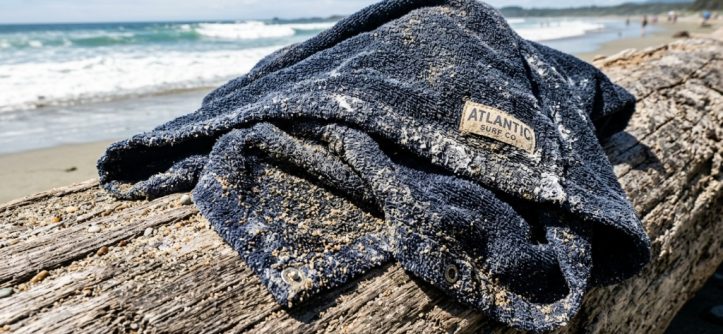
You finish a session, peel off a wet wetsuit, pull your surf poncho over your head, and head home. The poncho did its job. But by the next surf, it smells like low tide and feels gritty against your skin. Salt crystals break down fabric fibers over time, and trapped sand acts like sandpaper inside the lining. Whether you use a basic towel poncho or something more technical, the cleaning routine matters, and the same principles behind a Sun Cube changing robe breakdown on The Surfing Village apply to most ponchos: fabric type, absorbency, and how the material reacts to salt and heat. Here is how to clean, dry, and store it so it lasts more than one season.
Quick Answer
Rinse your surf poncho in cool fresh water immediately after every surf to dissolve salt and flush out sand. Wash it every three to five uses with a small amount of mild detergent, never fabric softener or bleach. Air-dry it fully in the shade before storing, and avoid hot dryers, which damage absorbent fibers and can shrink or warp the fabric. Sand trapped in seams and hems needs a separate shake-out, since rinsing alone will not remove it.
Key Takeaways
- Rinse with cool fresh water after every session to stop salt crystals from grinding into the fibers.
- Skip fabric softener entirely, it coats the fabric and kills absorbency.
- Shake out sand before rinsing, or you will push grit deeper into the seams.
- Air-dry in the shade, direct sun and hot dryers both degrade most poncho fabrics.
- Wash every three to five uses, more often if the poncho stays damp in a bag or car.
Why Salt and Sand Are Harder on Fabric Than Most People Think
Saltwater does not just make fabric smell. As water evaporates, salt recrystallizes inside the fibers, and those crystals are abrasive at a microscopic level. Over repeated cycles, they weaken the weave, dull the color, and make the fabric feel stiff and scratchy against your skin.
Sand adds a second problem. Fine grains work their way into seams, hems, and any lined or fleece interior. Once lodged there, sand behaves like grit in a washing machine drum, abrading the fabric every time you move or wash the poncho. This is why rinsing alone often is not enough, and why shaking out the poncho before it ever touches water matters.
There is also a moisture problem. A poncho stuffed damp into a board bag or car trunk becomes a breeding ground for mildew, which produces that persistent musty smell that no amount of detergent fully removes once it sets in.
A Step-by-Step Rinse Routine After Every Surf
This takes about two minutes and prevents most long-term damage.
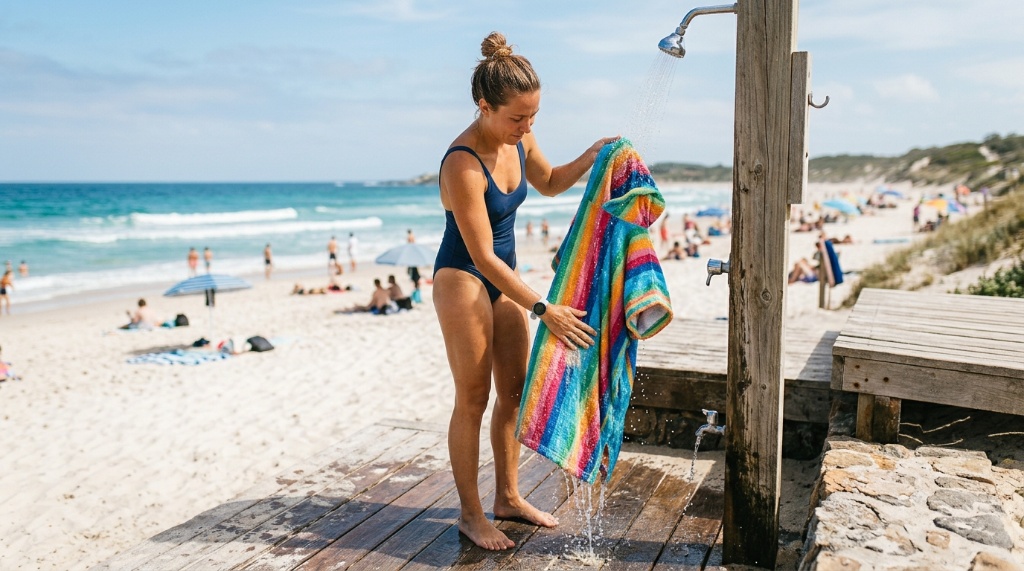
- Shake it out first. Hold the poncho by the shoulders and snap it firmly two or three times outdoors. This dislodges loose sand before it gets wet and pressed into the fabric.
- Rinse with cool fresh water. Hang it and run water through it from top to bottom, or submerge it in a bucket or outdoor shower. Cool water dissolves salt without stressing the fibers the way hot water can.
- Work the seams with your fingers. Gently pinch and slide along the hems and seams where sand collects. Do not scrub aggressively, you will pill the fabric.
- Squeeze, do not wring. Twist-wringing stretches and distorts the fabric. Press the water out with flat hands or roll the poncho in a clean towel.
- Hang to dry in the shade. A breathable spot with airflow is ideal. Direct midday sun can fade colors and degrade elastic or synthetic fibers over time.
If you surf daily, this quick rinse cycle is the single most important habit. It costs almost nothing and extends the poncho’s usable life far more than occasional deep washing does.
How Often Should You Actually Wash a Surf Poncho?
Rinsing handles salt and surface sand. Washing handles oils, sweat, sunscreen residue, and the bacteria that cause odor. A poncho used regularly should get a proper wash every three to five sessions, or sooner if it smells, feels stiff, or has visible sunscreen buildup.
Signs it is overdue for a wash:
- A sour or musty smell that lingers after airing out
- Stiff, crunchy fabric even when dry
- Visible white salt lines along seams and edges
- Skin irritation or breakouts after use, often a sign of trapped residue
If your poncho lives in a hot car between sessions, wash it more often. Heat accelerates odor and mildew growth in damp fabric.
Washing Without Ruining the Fabric
Most surf ponchos, whether terry cloth, microfiber, or fleece-lined, can be machine washed, but the settings and detergent choice matter more than the machine itself.
Use cold or cool water. Heat is the main enemy of absorbent fabrics and any elastic or synthetic blend.
Use a small amount of mild liquid detergent. Too much detergent leaves residue that traps odor and reduces absorbency. A little goes a long way.
Never use fabric softener. This is the most common mistake. Softener coats fibers with a waxy film that makes towels and terry cloth stop absorbing water, which defeats the entire purpose of a changing robe.
Skip bleach unless the care label explicitly allows it. Bleach weakens fibers and fades dye.
Wash on a gentle or normal cycle, alone or with other towels. Avoid zippers, velcro, and rough items that can snag the fabric in the same load.
Hand washing versus machine washing
Hand washing is gentler and works fine for occasional deep cleans. Fill a tub or bucket with cool water and a capful of mild detergent, submerge the poncho, agitate gently with your hands, then rinse until the water runs clear. Machine washing saves time and cleans more thoroughly for regular use, as long as you keep the temperature cool and skip softener. If your poncho has a printed design, embroidery, or a delicate lining, hand washing is the safer default.
Drying and Storage: Where Most Ponchos Get Damaged
How you dry a poncho determines whether it stays soft and absorbent or turns stiff and smelly within a few months.
Air-dry in the shade whenever possible. Hang it on a wide hanger or drape it over a line so air can circulate through both sides. A poncho bunched on a hook will stay damp in the folds and grow mildew.
If you must use a dryer, use low heat or no heat. High heat shrinks some fabrics, damages elastic, and speeds up pilling. A short low-heat tumble to fluff the fabric, followed by air drying, is a reasonable compromise.
Never store it damp. This is the fastest route to that permanent musty smell. Make sure it is bone dry, including the seams, before it goes into a bag, bin, or closet.
Store it loosely folded or hung, not compressed. Long-term compression in a tight space can crease and flatten absorbent fabrics.
For travel, stuff the poncho into a mesh bag rather than a sealed plastic one. Mesh lets residual moisture escape if the poncho is not fully dry when you pack it., If you are organizing your gear after a long day at the beach, make sure to check out our guide on how to build a surfboard-friendly garage storage area to keep your equipment neat and protected.
Common Mistakes That Shorten a Poncho’s Life
- Wringing it out like a towel. This stretches the fabric and can tear seams over time.
- Leaving it in the car or board bag while damp. Heat plus moisture equals odor and mildew.
- Using fabric softener or dryer sheets. Both reduce absorbency and leave residue.
- Washing with sandy wetsuits or rash guards. Loose sand in the drum grinds against the poncho fabric.
- Drying in full sun for hours. Fades color and weakens synthetic fibers and elastic.
- Ignoring the care label. Different fabrics, especially microfiber and fleece blends, have different tolerances.
When It Is Time to Replace Rather Than Repair
Even with good care, surf ponchos do not last forever. Replace yours when the fabric stays stiff or scratchy after washing, when absorbency has clearly dropped, when seams are fraying or splitting, or when a persistent mildew smell survives a proper wash and full sun-drying. A poncho that no longer dries you effectively is not saving you anything, it is just holding moisture against your skin after a cold session.
If you are weighing whether to keep maintaining an older poncho or switch fabrics, it helps to understand how different materials age. Fleece-lined robes hold warmth but trap sand more stubbornly, while terry cloth and microfiber rinse cleaner but can lose absorbency faster with repeated hot washes.
Frequently Asked Questions
Can I just rinse my surf poncho instead of washing it?
Rinsing handles salt and surface sand, but it does not remove oils, sweat, or sunscreen residue that cause odor and stiffness. Rinse after every surf, but wash every three to five uses for a genuinely clean poncho.
Is it safe to put a surf poncho in the dryer?
Only on low or no heat, and preferably for a short time. High heat can shrink fabric, damage elastic, and reduce absorbency. Air drying in the shade is the safest option for most ponchos.
How do I get sand out of the seams and lining?
Shake the poncho firmly before it gets wet, then rinse and gently work the seams with your fingers. For stubborn grit, a quick hand wash in cool water with mild detergent loosens sand that rinsing alone misses.
Why does my poncho smell musty even after washing?
Mildew usually sets in when the poncho is stored damp or left in a hot car or bag. Wash it again, dry it completely in a well-ventilated spot, and make sure seams are fully dry before storing. Persistent odor may mean the mildew has penetrated the fibers.
Can I use regular laundry detergent on a surf poncho?
Yes, a small amount of mild liquid detergent works fine. Avoid fabric softener, bleach, and harsh additives, all of which can damage fibers or leave residue that reduces absorbency.
How long should a surf poncho last with proper care?
With regular rinsing, occasional washing, and shade drying, a quality poncho can last several seasons. Lifespan depends heavily on fabric type and how often it is used, so inspect seams and absorbency periodically.
Conclusion
The routine that keeps a surf poncho in good shape is simple: shake out sand, rinse in cool fresh water after every session, wash every few uses with mild detergent and no softener, and dry it fully in the shade before storing. Those habits prevent the two things that ruin ponchos fastest, salt abrasion and mildew. Do them consistently and your poncho will stay soft, absorbent, and odor-free through many seasons of cold, sandy mornings.




Leave a Reply