
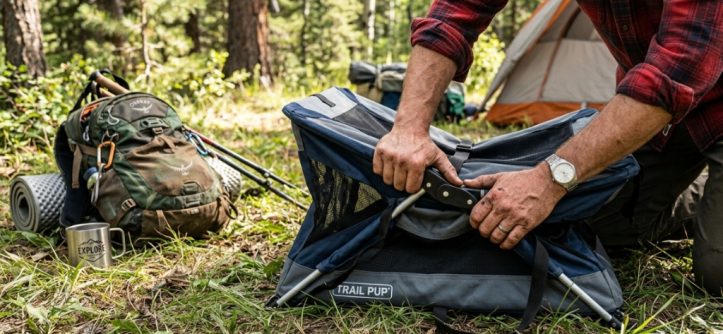
You’ve packed the tent, the hiking boots, and the cooler. But what about your dog’s “room”? That’s where the struggle begins. Many pet parents face the same dilemma: how do you keep a restless pup calm, safe, and out of trouble when you’re miles from home? The answer lies in a lightweight, collapsible sanctuary. But simply owning one isn’t enough; you need a strategy. This guide will show you exactly how to use portable dog crates for weekend trips without turning your getaway into a frustrating battle of wills.
Why You Should Never Leave Home Without a Travel Crate
Traveling with a dog is unpredictable. A crate acts as a familiar anchor in a sea of novel smells and sounds. It provides a secure den that reduces anxiety, prevents destructive behavior, and ensures your dog stays safe in unfamiliar surroundings. It is not just a cage; it is a mobile safety system for your canine companion.
The Hidden Benefits of Crate Travel for Your Dog’s Safety
An unrestrained dog in a moving vehicle is a projectile in a crash. Even a minor fender bender can turn a 50-pound dog into a lethal missile. A crash-tested crate protects both the dog and the humans in the front seat. Furthermore, a secure crate prevents your dog from escaping through an open door at a rest stop, a common cause of lost pets during holiday weekends.
Reducing Anxiety with a Familiar Safe Space
Hotels, cabins, and relatives’ homes all smell strange. This can trigger stress-induced barking, pacing, or destructive scratching. By placing your dog’s familiar bed and a worn t-shirt of yours inside the crate, you create a bubble of “home” anywhere. This simple act helps lower cortisol levels and encourages your dog to settle down and sleep, rather than patrol the perimeter all night.
Encouraging Better Sleep Hygiene for You and Your Pet
When your dog knows where they sleep, they stop trying to claim the hotel bed or the sofa. This reinforces good house manners even on the road. A consistent crate routine helps your dog wind down quicker, leading to a quieter evening for you to relax and a well-rested pup ready for the next day’s adventure.
How to Choose the Right Portable Crate Type for Your Destination
Not all crates are created equal. The right one depends on your mode of transport and accommodation. Ask yourself: are you flying, driving, or checking into a luxury hotel? The answer dictates whether you need a soft-sided tent, a heavy-duty wire cage, or a plastic airline-approved kennel.
Soft-Sided Crates: The Lightweight Champion
These are ideal for calm, well-trained dogs in low-security environments like a guest bedroom or a friend’s living room. They weigh under 5 pounds and fold flat into a carry bag. Pros: extremely portable and comfortable. Cons: Not chew-proof; a determined dog can escape a zipper in minutes. Avoid these for anxious chewers.
Heavy-Duty Wire Crates: The Ventilated Workhorse
For car travel, wire crates offer maximum airflow and visibility. They are sturdy and fold flat, though they are heavier than soft-sided models. They are perfect for rest stops and campsites, but they lack the security of a hard-shell for a moving vehicle. Pros: durable, easy to clean. Cons: bulky; risk of paws getting caught if not secured properly.
Plastic and Aluminum Kennels: The Airline Approved Option
These are the only options for air travel. They also provide superior crash protection in SUVs and trucks. A hard-sided kennel offers a dark, cave-like environment that calms high-strung dogs. Pros: safest for driving; chew-resistant. Cons: heavier and usually more expensive. They also take up more floor space.
When looking for a balance between price and durability, many budget-conscious owners compare options like those found among portable dog crates for weekend trips before committing to a purchase, ensuring they get the best value for their travel style.
What Is the Best Way to Set Up a Crate in a Car?
Placement is just as important as the crate itself. The cargo area is the safest location, but it must be secured. If the crate is not strapped down, it becomes a projectile during sudden braking. Always use ratchet straps or the vehicle’s factory tie-down points to hold the crate stationary.
Step-by-Step Securing Process for Vehicles
First, place a non-slip mat under the crate. Second, thread a ratchet strap through the crate’s frame or door hinges. Third, connect the hooks to the vehicle’s anchor points and tighten until the crate barely moves. Finally, verify that the crate door is latched, but lock the car doors to prevent accidental displacement.
Ventilation and Sunlight Safety Protocols
Never place a crate in direct sunlight passing through a window. Even with windows cracked, the interior temperature can reach dangerous levels in minutes. Position the crate in the shade, and ensure the airflow vents are unobstructed by gear. Test the temperature with your hand—if the fabric is hot, move the crate.
Padding and Comfort Layers You Must Include
A thin washable mat is essential. Avoid thick memory foam that could trap heat. Use a waterproof liner underneath to protect against accidents during long drives. Add a durable, heavy-duty water bowl that attaches to the crate door to prevent spills while driving on winding roads.
Can You Use a Portable Crate in a Hotel or Camping Tent?
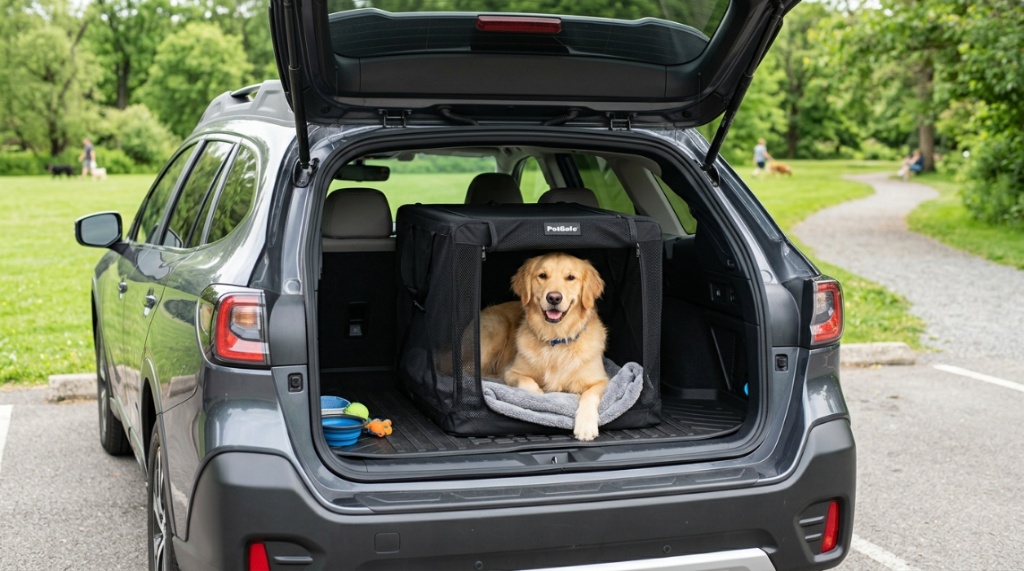
Yes, but the rules differ between hotels and campsites. Hotels often have strict policies regarding crating; they require your dog to be in a crate when left unattended. In a tent, the crate serves a different purpose—it keeps your dog grounded at night and protects them from tent wall accidents.
Hotel Etiquette: When to Crate and When to Cover
If you leave your dog alone, even crated, many hotels require a front desk notification. Cover the crate with a sheet to reduce visual stimulation that triggers barking. Leave a radio on low volume to mask hallway noise. Never leave a crate for longer than 4 hours without a break. For additional gear recommendations to keep your pet secure on the road, check out our PHOEPET Dog Harness Review.
Tent Camping Realities: Anchoring and Ground Insulation
Grass and dirt are uneven. Place a groundsheet or tarp under the crate to prevent moisture from seeping up. Stake the crate down if it has loops, or place heavy duffel bags on the sides to anchor it. This prevents your dog from scooting the whole tent across the ground when adjusting their position.
Managing Temperature Extremes in Fabric Crates
Soft crates overheat quickly in summer tents. Use a battery-powered fan clipped to the mesh window. In winter, add a bedsheet under the belly of the crate to block drafts but avoid covering all vents. Watch for heavy panting or shivering—signs the crate environment is not viable.
How Do You Train a Dog to Love Their Weekend Crate?
Do not wait until Friday afternoon to start. Introduce the crate a week in advance. Feed all meals inside the crate with the door open. Throw high-value treats (chicken, cheese) inside periodically so entering becomes a game. The goal is to associate the crate with positive rewards, not departure.
The “Crate Games” Method for Distraction Prone Pups
Start with your dog outside the crate. Toss a treat inside. The instant they step in, mark and reward deeply. Then, shut the door for one second, open, reward. Gradually increase the duration before opening. This builds the “settle” behavior without the stress of a long stay immediately.
The “Keep It Open” Strategy for the First Hour
Upon arrival at your destination, leave the crate door open and place a new chew toy inside. Let your dog explore at their own pace. If you force them in immediately, they will fear the crate. Give them the freedom to voluntarily retreat to safety, which builds long-term confidence.
Troubleshooting Whining and Scratching at Night
If your dog cries, never let them out immediately; that reinforces the whining. Instead, wait for a 3-second pause in the noise, then say “quiet” and toss a treat to the far corner of the crate. This interrupts the cycle. For persistent scratching, cover the crate completely and provide a frozen Kong to occupy their mouth.
Which Accessories Are Worth Packing (And Which Aren’t)?
Packing the right accessories makes the difference between a tidy crate and a mess. Skip the standard ceramic water bowls—they spill. Choose weighted or snap-on bowls instead. Only pack indestructible toys; a shredded toy becomes a choking hazard overnight.
Essential: Crash-Tested Harness vs. Loose Leash Attachments
Inside the crate, never attach a collar or harness. It can snag on the mesh or wire and choke your dog. Pack a separate flat collar with ID tags for out-of-crate walks. Keep the crate floor bare of leashes and ropes to eliminate entanglement risks entirely.
Recommended: Cooling Mats and Thermal Pads
A pressure-activated cooling mat is excellent for hot climates. For cold trips, a self-warming pad that reflects body heat works best. Avoid electric heating pads as they can be chewed. Always check the mat’s texture to ensure nails cannot puncture and expel gel filler.
Unnecessary: Plush Beds and Bulky Pillows
High-sided plush beds reduce the interior height of the crate, making it uncomfortable for larger dogs to stand. The fluff traps odors and moisture. Instead, use a simple crate mat that is machine washable. This saves space and allows your dog to adjust their sleeping position easily.
How to Clean a Travel Crate at a Rest Stop
Accidents happen. A quick clean-up routine prevent odors from baking in the afternoon sun. You need a travel kit: biodegradable wipes, a towel, and a single spray bottle of white vinegar-water solution. Never use bleach or ammonia in an enclosed space; the fumes are toxic to dogs.
Quick Cleaning Steps for a Wet or Soiled Crate
Remove the dog first and secure them on a leash. Wipe excess moisture with paper towels. Spray the soiled area with the vinegar solution, letting it sit for 60 seconds. Wipe dry, then sprinkle a light layer of baking soda to absorb remaining odor before the next rest stop.
Managing Accumulated Fur and Dirt on the Road
Use a small, handheld rubber brush to gather fur quickly. For soft crates, unzip the cover and shake it out. For wire crates, wipe the metal trays with a damp microfiber cloth. Do a deeper wash once you reach the hotel, but never leave a soaked fabric liner in a sealed bag—it will mildew.
Odor Control Techniques for Multi-Day Travel
Use activated charcoal bags inside the crate, not scented sprays that irritate nasal passages. Wash the crate trays daily if feasible. At night, let the crate air out completely while your dog sleeps on a separate small bed. This rotation keeps the primary crate fresh.
How to Transition a Puppy to an Adult-Sized Crate
Young puppies need a smaller space to avoid bathroom accidents. However, buying a new adult crate for every growth spurt is expensive. Use a divider panel in a larger crate. This creates a cozy den now, but expands as the puppy grows, giving it years of use.
The 3-Step Size Expansion Process
Start with a divider blocking off 60% of the crate. Every two weeks, evaluate if your puppy is sleeping through the night without accidents. If they are, slide the divider back by two inches. Repeat this until the puppy fits the full dimension. This gradual increase prevents regression.
Signs Your Puppy Is Ready for More Space
If your puppy consistently moves to one side to sleep and completely avoids the other side, they have space to spare. If they eliminate exactly where they sleep out of necessity, you have too much space. Crate training is about matching the den size to the dog’s current bladder capacity.
When to Switch from a Soft Crate to a Wire Crate
Adolescent dogs (around 6 months) often start chewing. A soft crate is no longer safe. Transition to a wire or plastic crate immediately if you see teeth marks. While the puppy is still teething, ensure the crate material is thick enough to withstand a determined pup.
How to Integrate the Crate into a Busy Itinerary
Weekend trips are packed with activities. Your dog will get tired. Do not force them to socialize when they are overstimulated. Schedule “crate time” as a non-negotiable block of 1-2 hours every afternoon. This prevents tantrums at dinner time and prevents dangerous over-tiredness.
The “3-Hour Max” Rule for Unattended Crating
Even with a large crate, leaving a dog crated longer than 3 hours in a hotel room is risky. Set a timer on your phone. If you plan a long dinner, arrange for a dog walker via a local app or request a lunch break. It isn’t fair to the pup to hold their bladder all evening.
Creating a “Down Time” Ritual Before Excursions
Ten minutes before you leave, take your dog for a brisk walk to empty their bladder. Then, place them in the crate with a high-value chew. This pre-ravel ritual tells them “settle time” begins. Use a specific command like “hike’s over” to signal the transition into the crate.
Using the Crate as a Recovery Zone After Hikes
After an intense morning of exercise, a dog needs to cool down. Let them lap water, then store them in the cool shade of the crate on a damp towel. This prevents heatstroke and allows their paws to recover from rough terrain. It isn’t punishment; it’s recovery.
Frequently Asked Questions
How do I measure my dog for a portable travel crate?
Measure from the tip of the nose to the base of the tail, then add 4 inches. Measure the height from the floor to the top of the head (while sitting) and add 4 inches. The crate must allow them to turn around easily and stand without crouching.
Can I leave a wet or dirty dog in the crate?
No. Always towel dry a wet dog before crating them to avoid chafing and skin infections. If they are muddy, brush off loose dirt. A wet crate interior fosters bacteria growth and is highly uncomfortable for sleeping.
Is it okay to use a crate in the car during hot weather?
Only if the cabin is air-conditioned and the airflow reaches the crate. If the car is off, never leave them in the crate. Temperatures rise to dangerous levels within 10 minutes. Use portable fans and keep the drive times during cooler hours.
What is the best material for dogs that try to escape?
Plastic or aluminum airline kennels are the most escape-resistant. They use metal bolts and sliding doors that are harder to manipulate than zippers. Soft crates and wire crates are easily bent or ripped. It’s better to invest in a hard shell if you have an escape artist.
How do I stop my dog from barking in the crate at a hotel?
Cover the crate with a sheet to block visual stimuli. Provide a frozen Kong or a puzzle toy to redirect focus. Place a white noise machine outside the crate. If barking persists, try a calming pheromone spray, but avoid aversive bark collars as they increase anxiety.
Can I use a portable crate for airline travel?
Only specific hard-sided crates that meet IATA regulations are allowed in the plane’s cargo hold. Soft crates are generally not accepted unless specified by the airline for carry-on or cabin use. Always verify with the airline before booking.
Do I need to bring a different crate for overnight vs. car use?
Not necessarily. A multi-purpose wire or plastic crate can serve both. However, if you have a large vehicle and a hardwood hotel room, a wire crate is easier to clean. For tent camping, a smaller soft crate offers better portability.
Conclusion
Mastering travel with a dog is not about restriction; it is about security. A portable crate is the single most effective tool to ensure your weekend is filled with happy tails, not stress-induced howling. By choosing the correct type, securing it properly in transit, and using positive training tactics, you turn a mere mesh cage into a cozy den of calm. You are not locking your dog away; you are giving them a trusted space to decompress from new adventures. So, pack the treats, secure the crate, and drive forward into that long-awaited weekend. Both you and your dog will arrive relaxed, rested, and ready for fun.



Leave a Reply