

A cordless power tool kit is a collection of battery-powered tools designed to handle common home projects without needing a constant power source. These all-in-one tool kits and portable tool sets typically include drills, saws, drivers, and accessories powered by rechargeable lithium-ion batteries.
Here’s the reality: most homeowners start projects without the right tools. That leads to delays, poor results, or extra costs hiring help. A complete cordless setup solves that problem. You get flexibility, mobility, and consistent performance across tasks like furniture assembly, drilling, cutting, and repairs.
According to industry data from Statista, the global power tools market exceeded $40 billion in recent years, with cordless tools leading growth due to convenience and safety. That shift shows one thing clearly—corded tools are being replaced in everyday use.
If you want to save time, reduce frustration, and complete projects faster, building a proper cordless tool kit is not optional. It’s essential.
Why should you choose cordless tools over corded ones?
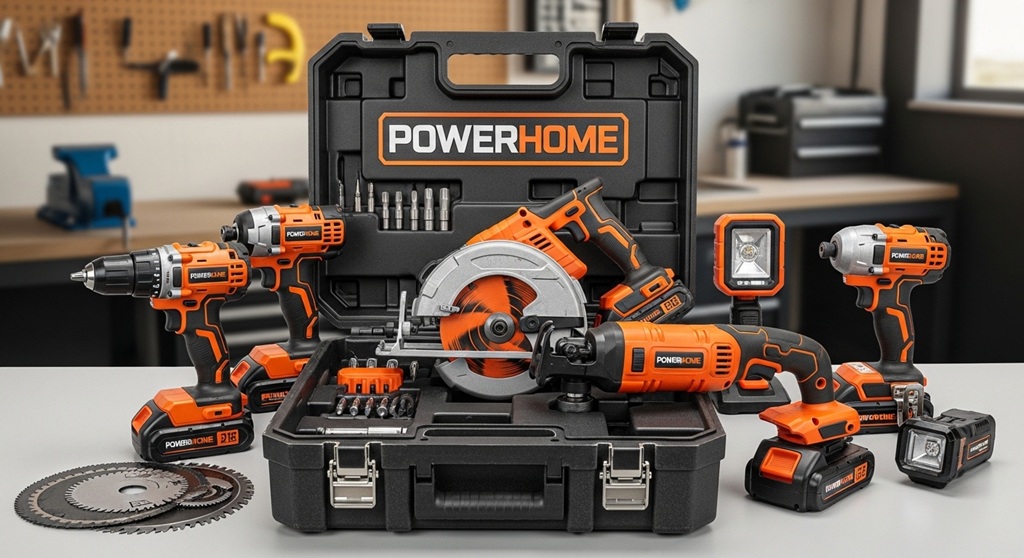
Short answer: Cordless tools offer portability, safety, and efficiency, making them ideal for most home projects.
Let’s break it down.
1. Mobility and flexibility
You can work anywhere. No power outlet needed. Whether you’re fixing a cabinet or working outdoors, cordless tools move with you.
2. Safety advantage
No cords mean fewer tripping hazards. This matters in tight or cluttered spaces.
3. Faster workflow
You don’t waste time setting up extension cords. Just grab the tool and start working.
4. Battery technology has improved
Modern lithium-ion batteries last longer and charge faster. Many brands now offer 18V or 20V systems that match corded power for most tasks.
For home users, cordless tools deliver the best balance of performance and convenience.
What tools should be included in a complete cordless tool kit?
Short answer: A complete kit should include a drill, impact driver, circular saw, jigsaw, sander, and essential accessories.
Here’s a practical breakdown of must-have tools in your all-in-one tool kit:
1. Cordless drill/driver
This is the core of every portable tool set. You’ll use it for drilling holes and driving screws. Look for variable speed and adjustable torque settings.
2. Impact driver
Best for heavy-duty screwdriving. It reduces wrist strain and increases efficiency when working with long screws or dense materials.
3. Circular saw
Essential for cutting wood, plywood, and boards. Ideal for DIY furniture or home renovation tasks.
4. Jigsaw
Perfect for curved cuts and detailed work. Useful for creative or custom designs.
5. Orbital sander
Used for smoothing surfaces before painting or finishing. Saves time compared to manual sanding.
6. Multi-tool (oscillating tool)
Handles cutting, scraping, and sanding in tight spaces. Highly versatile.
7. Work light
Improves visibility in low-light conditions. Often overlooked but highly useful.
8. Batteries and charger
Always have at least two batteries. One in use, one charging.
9. Tool bag or case
Keeps everything organized and portable.
How do you choose the right battery system?
Short answer: Choose a single battery platform with at least 18V capacity for compatibility and efficiency.
Battery choice determines long-term usability. Here’s what matters:
- Voltage: 12V for light tasks, 18V–20V for most home projects.
- Amp-hours (Ah): Higher Ah means longer runtime.
- Compatibility: Stick to one brand ecosystem.
Example: If you buy a drill from one brand, ensure future tools use the same battery. This reduces cost and improves workflow.
Case insight: A DIY user switching to a unified 20V system reduced tool costs by 30% over two years by reusing batteries instead of buying separate ones.
Should you buy a combo kit or build your own set?
Short answer: Combo kits are cost-effective for beginners, while custom builds offer better long-term value.
| Option | Best For | Pros | Cons |
|---|---|---|---|
| Combo Kits | Beginners | Lower upfront cost, bundled tools | May include tools you don’t need |
| Custom Kit | Experienced users | Tailored setup, better quality choices | Higher initial investment |
If you’re starting out, go for an all-in-one tool kit. If you already know your needs, build your own portable tool set.
What features should you look for in cordless tools?
Short answer: Focus on ergonomics, power, durability, and smart features.
- Brushless motors: Longer lifespan and higher efficiency
- Ergonomic design: Reduces fatigue
- LED lights: Better visibility
- Variable speed control: More precision
- Durable build: Withstands heavy use
Tools with brushless motors can deliver up to 50% longer runtime compared to brushed models, according to manufacturer data.
How much does a complete cordless tool kit cost?
Short answer: Expect to spend $200–$800 depending on quality and number of tools.
Here’s a realistic breakdown:
- Basic starter kit: $200–$300
- Mid-range setup: $300–$500
- Advanced kit: $500–$800+
Important: Cheap tools often fail faster. Investing in reliable brands saves money long term.
How do you maintain your cordless tools for long-term use?
Short answer: Clean regularly, store properly, and manage batteries carefully.
- Keep tools dry and dust-free
- Charge batteries before they fully drain
- Avoid overheating during use
- Store in a cool, dry place
Battery care alone can extend tool life by 2–3 years.
What mistakes should you avoid when building a tool kit?
Short answer: Avoid mixing brands, buying unnecessary tools, and ignoring battery compatibility.
- Buying tools from multiple brands
- Choosing low-quality batteries
- Ignoring ergonomics
- Overbuying tools you won’t use
Stick to essentials first. Expand as your needs grow.
Conclusion: Is building a cordless tool kit worth it?
Yes. A well-built cordless power tool kit saves time, reduces effort, and gives you full control over your home projects. You stop depending on others. You finish tasks faster. And you get better results.
The key is simple: start with essential tools, choose a reliable battery system, and expand strategically. Don’t rush. Build a kit that fits your real needs.
Call to Action: Start with a basic all-in-one tool kit today. Pick one battery platform and commit to it. Your future projects will become faster, easier, and more efficient.
Frequently Asked Questions (FAQs)
What is the best cordless tool brand for beginners?
Brands like DeWalt, Makita, and Bosch are popular for reliability and performance. Choose one with a strong battery ecosystem.
How long do cordless tool batteries last?
Most lithium-ion batteries last 2–5 years depending on usage and maintenance.
Can cordless tools replace corded tools completely?
For most home projects, yes. However, heavy industrial tasks may still require corded tools.
How many tools do I need to start?
Start with 3–5 tools: drill, impact driver, saw, and sander. Expand as needed.
Are portable tool sets worth buying?
Yes. They offer convenience, organization, and cost savings, especially for beginners.
What voltage is best for home use?
18V–20V systems provide the best balance of power and versatility.
How can I extend battery life?
Avoid full discharge, store in moderate temperatures, and use original chargers.
Read More Also: How to Pick the Right Office Projector for Meetings and Presentations
Find out: How to Choose Soft Hotel Style Pillows for Luxury Sleep at Home



Leave a Reply