
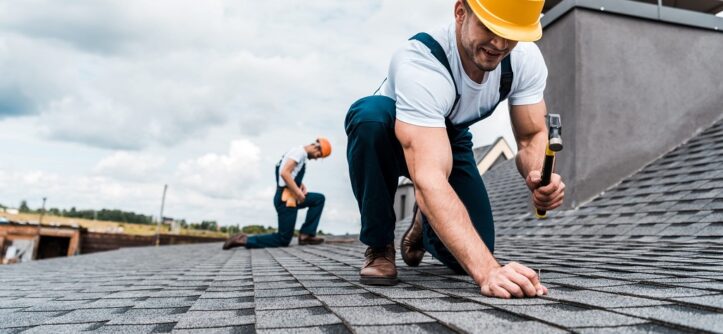
Imagine this: It’s a stormy night, and water starts dripping from your ceiling. Panic sets in as you realize your roof has failed, turning your safe haven into a soggy mess. Now, picture calling a roofing contractor who promises a quick fix, only to vanish midway through the job, leaving you with a half-done roof, mounting repair bills, and endless headaches. Sound like a nightmare? It’s more common than you’d think—thousands of homeowners face botched roofing projects each year due to hasty choices in hiring.
Choosing the right roofing contractor isn’t just about patching a leak; it’s about safeguarding your home’s biggest investment. A poor decision can cost you thousands in extra repairs, while a smart one ensures durability, energy efficiency, and peace of mind. In this comprehensive guide, we’ll walk you through proven steps on how to choose the best roofing contractor for your project, from assessing your needs to spotting red flags. Whether you’re planning a full roof replacement, minor repairs, or exploring roof repair services near you, these tips will empower you to make an informed choice. Let’s dive in and turn that potential disaster into a seamless upgrade.
Understand Your Roofing Needs First
Before you even start scouting for the best roofing companies in your area, take a step back. Knowing exactly what your project entails is the foundation of a successful hire. Rushing into quotes without clarity often leads to mismatched expectations and inflated costs.
Assess the Project Scope
Start by evaluating the extent of your roofing issues. Is it a simple shingle replacement, or do you need a complete overhaul due to age, storm damage, or wear? Walk around your home and note visible problems like missing granules, cracked flashing, or sagging areas. For larger projects, consider factors like your home’s architecture—does it require specialized materials like metal roofing for a modern look or asphalt shingles for affordability?
Consulting a preliminary inspection can help. Many local roofing contractors offer free assessments to gauge the scope. This not only clarifies your needs but also gives you leverage when discussing timelines. Remember, projects like roof installations can take days to weeks, so aligning on scope prevents surprises down the line.
Budget Considerations for Your Roofing Project
Money talks, but it shouldn’t silence quality. Determine your budget early by researching average costs in your region—roof replacements might run $5,000 to $20,000 depending on size and materials. Factor in not just the initial quote but ongoing expenses like maintenance or energy savings from efficient roofing options.
Be wary of rock-bottom bids; they often signal shortcuts. Instead, aim for a balance: Allocate 10-15% buffer for unforeseen issues, like discovering rot under old shingles. Tools like online roofing cost calculators can provide ballpark figures, but they’re no substitute for personalized advice from experienced pros.
By nailing down your needs and budget, you’re setting the stage for contractors who truly fit your vision, ensuring your roofing project tips lead to long-term satisfaction.
Research Potential Roofing Contractors Thoroughly
With your project blueprint in hand, it’s time to hunt for candidates. The digital age makes this easier than ever, but don’t stop at Google searches for “roofing contractor near me.” A deep dive reveals the gems from the duds.
Check Licensing, Insurance, and Certifications
Licensing is non-negotiable—verify that any contractor holds a valid state license through your local licensing board’s website. This ensures they’re trained and compliant with building codes, reducing liability for you.
Insurance is equally critical: Demand proof of general liability and workers’ compensation. A lapse here could leave you footing medical bills if an accident occurs on your site. Look for certifications from bodies like the National Roofing Contractors Association (NRCA) or GAF, which signal adherence to industry standards. These checks protect you legally and financially, making your choice of licensed roofing contractor a smart, secure one.
Read Reviews and Testimonials
Online reviews are goldmines for real insights. Platforms like Google, Yelp, and the Better Business Bureau (BBB) offer unfiltered feedback. Focus on patterns: Consistent praise for punctuality and cleanup? Great. Recurring complaints about delays or shoddy work? Steer clear.
Dig deeper into recent reviews for relevance—roofing tech evolves, so a contractor excelling five years ago might lag today. Video testimonials or before-and-after photos on their site add credibility, helping you visualize their work on projects similar to yours.
Ask for References and Portfolio Examples
Don’t just take their word—request at least three recent references from clients with comparable projects. Call them and ask pointed questions: Were deadlines met? How was communication? Any surprises in costs?
A strong portfolio showcases variety, from residential repairs to commercial installs. Pay attention to material diversity and finish quality. This hands-on vetting turns abstract research into concrete confidence.
Evaluate Bids and Proposals Like a Pro
Narrowed your list? Now, solicit bids. Aim for three to five from qualified contenders to compare apples to apples.
Compare Quotes Beyond the Bottom Line
Quotes should detail everything: Materials (e.g., brand and type of shingles), labor hours, timelines, and cleanup protocols. Low bids might skimp on premium underlayment or skip permits, leading to future leaks.
Break it down: Is the price per square foot competitive? Does it include warranties? Use a simple spreadsheet to side-by-side your options, weighting factors like value over pure cost. Transparent breakdowns from the best roofing companies build trust and highlight hidden gems.
Understand the Contract Inside Out
The contract is your shield—review it meticulously or consult a lawyer. It should outline payment schedules (never more than 30% upfront), change order processes, and dispute resolution.
Ensure specifics on materials match your needs and include clauses for weather delays. A solid agreement from a reputable contractor minimizes risks, turning your roofing project into a predictable success.
Key Qualities of a Top-Tier Roofing Contractor
What separates good from great? It’s the intangibles that shine through in execution.
Experience and Expertise in Diverse Projects
Seek contractors with 10+ years under their belt, especially in your climate’s challenges—like hail-resistant roofs in stormy areas. Expertise means they anticipate issues, like proper ventilation to prevent ice dams.
Versatility counts too: Can they handle eco-friendly options like solar-integrated roofing? This depth ensures tailored solutions for your unique home.
Communication and Customer Service Excellence
From initial consult to final walkthrough, clear communication is key. Top pros respond promptly, explain jargon-free, and update you regularly. Stellar service includes respecting your property—tarps down, daily cleanups—and accommodating your schedule.
In a sea of silent subcontractors, proactive dialogue fosters collaboration, making the process stress-free.
Warranties, Guarantees, and Follow-Up Support

The best offer robust warranties: 20-50 years on materials, plus labor guarantees. Ask about transferable options if you sell your home. Post-job follow-ups, like seasonal checks, demonstrate commitment to longevity.
These perks aren’t fluff—they’re proof of confidence in their roof repair services and installations.
Common Red Flags to Avoid When Hiring
Even diligent research can miss warning signs. Watch for:
- High-Pressure Sales Tactics: Pushy upsells or “limited-time” deals scream desperation.
- Vague or Evasive Answers: Dodging questions on licensing? Run.
- Subpar Online Presence: No website or outdated info suggests disorganization.
- Cash-Only Demands: Legit pros accept checks or cards for traceability.
- Overpromising Miracles: Unrealistic timelines or “lifetime” guarantees without backing.
Spotting these early saves heartache and cash.
Final Tips for a Seamless Roofing Project
Coordinate with neighbors for minimal disruption. Prepare your yard by securing valuables. Post-project, inspect thoroughly and keep records. Regular maintenance like annual checks extends your roof’s life, complementing your contractor’s fine work.
FAQs: Choosing the Best Roofing Contractor
How do I find a reliable roofing contractor near me?
Start with local searches on Google or Angi, then verify licenses via state boards. Read recent reviews and request references for personalized fits.
What should I ask a potential roofing contractor?
Inquire about experience with similar projects, insurance details, warranty terms, timelines, and payment structures. Clarity here prevents future issues.
How much does hiring the best roofing company cost?
Expect $8,000-$15,000 for average replacements, varying by materials and size. Get multiple bids and prioritize value over the cheapest option.
What’s the difference between a roofer and a roofing contractor?
Roofers handle labor; contractors oversee the full project, including planning and warranties. Opt for the latter for comprehensive service.
How long does a roofing project typically take?
Minor repairs: 1-2 days. Full replacements: 3-5 days for most homes, weather permitting.
Read More Also: Removing Linoleum Flooring
Conclusion and Call to Action
Selecting the best roofing contractor transforms a daunting task into a rewarding investment in your home’s future. By following these steps—from scoping your needs to scrutinizing contracts—you’ll secure quality workmanship that stands the test of time. Don’t let a leaky roof catch you off guard; proactive choices today prevent tomorrow’s regrets.
Ready to get started? Contact a trusted local roofing expert for a free consultation today. Share your project details in the comments below what’s your biggest concern when hiring for roof repairs? Subscribe to our blog for more home improvement tips, and let’s keep your roof and your peace of mind rock solid!


Leave a Reply